 Some things have slipped through history with a little fiction attached or some important details omitted. One, of course, is Paul Revere’s ride. Despite that beautiful Longfellow poem, Paul Revere was captured by the British before he could reach Concord and sound the alarm. But it’s a wonderful way to teach history.
The Boston Tea Party didn’t quite come off as expected, either. The night of December, 1773, when the Colonists planned the raid to take place, they mistakenly chose the hour of low tides. So when the party began, with the rebels dressed as Indians, the water around the ship was too low to break open the trunks. So the nearly 350 crates of tea piled up in the shallow water.
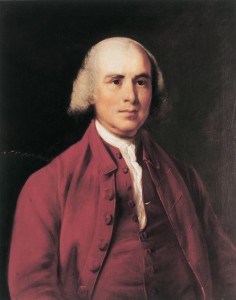 George Washington was against political parties, Thomas Jefferson was against electioneering, and James Madison had to fight hard to figure out a method to elect a President that would appeal to the 55 men who were in the Constitutional Convention. Now, we can hardly understand how the Electoral College even works.
 Out of that came the “110 Rules of Civility and Decent Behaviour in Company and Conversation.” One of these rules was: “Speak not in an unknown Tongue in Company but in your own Language and that as those of Quality do and not as ye Vulgar; sublime matters treat seriously.” (number 72).
 Tonight I was a little disappointed. Not so much at what was in the story, but at what was left out. For example when George Washington was finally sworn in at Federal Hall in New York City as the new President of the United States of America. The oath of office was administered with the words required.
 Snoopy is lying in the grass and says to himself: ‘Maybe I shouldn’t have given up on my writing.’
 In the upcoming Presidential election it would seem to be very important to consider what our first President of the United States said about one thing to look for:
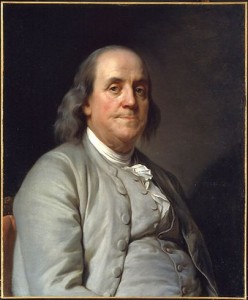 Benjamin Franklin captured so many roles during his lifetime, and it’s amazing how much he was able to accomplish. How did he have time to live a life? He was a scientist, inventor, statesman, printer, humorist, diplomat, public servant, philosopher, economist, franchisor, writer, musician, and Founding Father.