
 Washington was well known for sticking to a task that he had undertaken. He couldn’t be shaken from doing his duty, or fulfilling his promise.
After he had fought in the French and Indian War, served in the Virginia House of Burgesses, Served as Commander in Chief of the United Colonial Armies until he won the War, served as President of the Constitutional Convention, was unanimously elected, not once but twice as the President of the new United States of America, he finally wanted to return home to Mount Vernon to live out his life. The country wanted him to serve a third term as President, but he finally declined a job! He truly had served enough!!
 Benjamin Franklin responded to his sister Jane Mecom of Boston in a letter in 1743. Jane was apparently concerned about Ben’s slightly unorthodox view and convictions.
 Thomas Jefferson should truly be remembered and honored today. What did he accomplish? I’ll just mention a few here. He graduated from William and Mary College and then studied law for 5 years under George Wythe, the first law professor in Virginia.
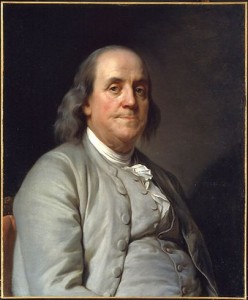 Benjamin Franklin will be the first to admit that he made mistakes. Plenty of them. However, there appear to be at least 3 mistakes he never made. He tells us about those.
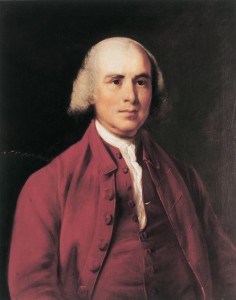 The Constitution was undeniably the idea, design, and proposal of James Madison, but so also was the Bill of Rights. The first 10 Amendments to the Constitution. Once the Constitution was ratified and signed by the 55 Representatives of the States in Congress, it had to be approved by each of the States individually.
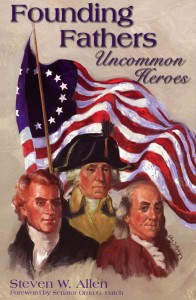 The Founding Fathers were patriots. The root word of ‘founding’ is ‘found’, which means to “take the first steps in building”. The first builders of the nation. The use of the word ‘father’ in this sense means originator. They began the whole thing.
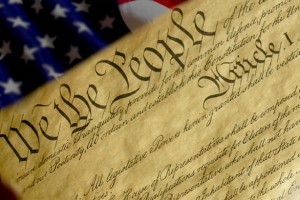 There is something I just can’t understand—at all! Yesterday in my blog I gave some little bit of background about our U.S. Constitution. I mentioned that our Constitution has been amended only 17 times since the original Bill of Rights was adopted. Seventeen times since December 15, 1791. That’s more than 225 years.