 Not only did James Madison convince George Washington to attend the Constitutional Convention in Philadelphia, he promoted other members and their ideas along the way.
James convinced Governor Edmund Randolph to introduce his “Virginia Plan” in such a way that would comply with the purpose for which the Convention had been called. Its original purpose was to amend the unworkable Articles of Confederation. Yes, amend them out of existence.
Edmund Randolph had been an “Aide de Camp” to General George Washington during the Revolutionary War. Randolph was the currently acting Governor of Virginia. So he was a man of learning and prestige who would be listened to at this Convention. Randolph made an extraordinary introduction to Madison’s plan.
 The President of the Constitutional Convention, George Washington, was determined to prevent leaks from the meetings in Philadelphia. One day one of the delegates absent-mindedly left his notes behind on a table in the meeting room.
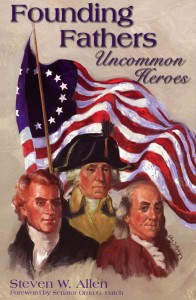
 Thomas Jefferson, George Washington and Benjamin Franklin had several things in common. Not the least of which was how they faced an argument or a political debate.
 Some of us feel that way from time to time. All we do is complain. But some of us have learned that complaining doesn’t do any good. You actually have to do something about it.
 George Washington had the looks and stature of a President. He was tall, nearly 6’4” and strong of build. He was a great horseman and a victorious soldier. He had a strong moral compass and great character. Plus, he had been front and center in all the major events in the creation of the new nation.
 I believe that the Founding Fathers were all EXCEPTIONAL leaders. They were all at the right place at the right time in history. It’s pretty amazing if you think about it. How often can you get 55-56 well educated and experienced men in one room and have them agree on anything, let alone how to build a new nation?
 Tonight I was a little disappointed. Not so much at what was in the story, but at what was left out. For example when George Washington was finally sworn in at Federal Hall in New York City as the new President of the United States of America. The oath of office was administered with the words required.
 Republic—a state in which the supreme power rests in the body of citizens entitled to vote and is exercised by representatives chosen directly or indirectly by them.
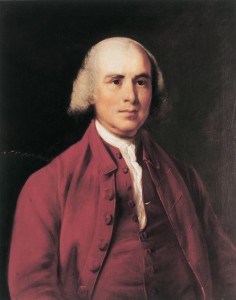 James Madison had prepared himself to be a builder of nations. He wanted to go to The College of William and Mary, like his close friend and mentor. However he found that the weather and temperatures there were not favorable to his health and stamina. So he looked northward and enrolled at The College of New Jersey, later known as Princeton College, which had a good reputation. Princeton had been founded originally to train Presbyterian Ministers.