John Adams and the Constitution

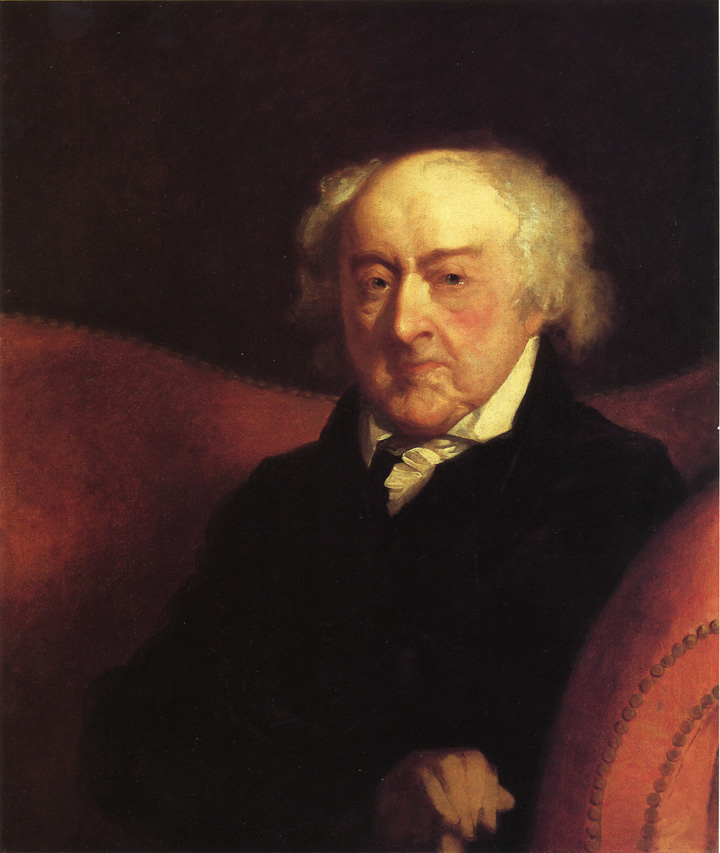
JohnAdamsShortly after the Declaration of Independence was adopted by Congress, Adams was sent to France to join Benjamin Franklin as a minister to France. Congress didn’t invite him to return home, even after the Revolutionary War had ended, and he and Franklin had constructed a Peace Treat, very much in favor of the United States.

Instead they sent him to Great Britain to attempt to produce a treaty of commerce with England. Can you imagine that? To try to put together a new treaty with your most recent war enemy? Impossible. Well, at least terribly difficult. read more

Prayer of Thanksgiving

800px-Mtchoirandorchestra_ConferenceCenter_(cropped)Oh wow! The Mormon Tabernacle Choir played a rousing rendition of “Prayer of Thanksgiving” today on Music and the Spoken Word, their weekly Sunday program. I hadn’t known before that this folk Hymn was written in the late 1800’s because of the end of a long and dreary war between The Netherlands and Spain in pursuit of religious freedom.

This hymn always reminded me of our own Pilgrim heritage and our Thanksgiving Holiday. Oh well, it still fits, and we should sing it proudly. Here are the words: read more

George Washington and Good Company

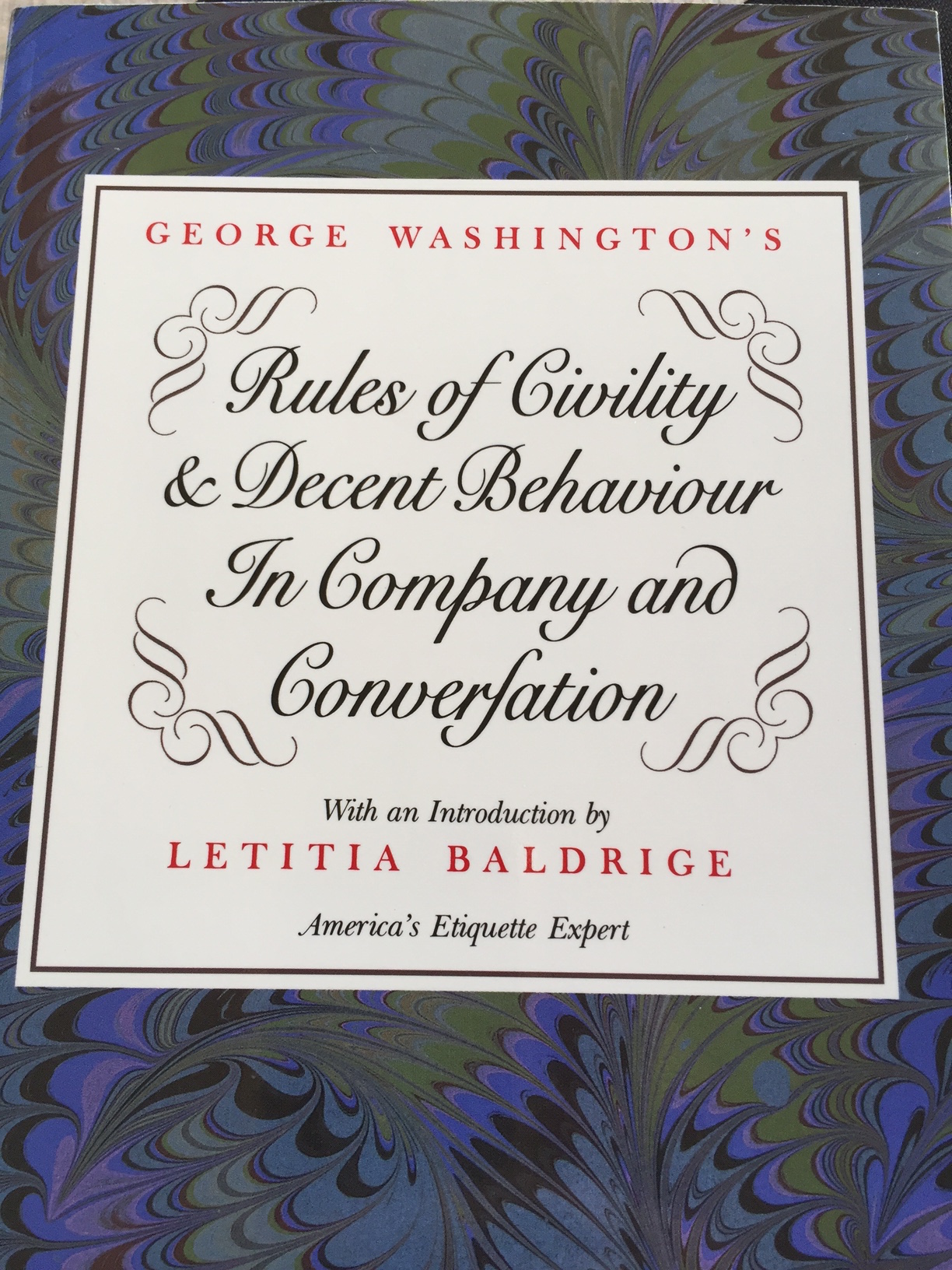
GW RulesGeorge Washington learned much wisdom in his youth. While learning penmanship, he was instructed to write several (110) maxims from dictation, which maxims taught him not only good penmanship, but also good manners and behavior. Here’s one of those maxims:

“Associate yourself with men of good quality if you esteem your own reputation for ‘tis better to be alone than in bad company.”

He kept that advice his whole life through.

Benjamin Franklin and Gossip

Ben Franklin thumb picture
As you know Benjamin Franklin was a great diplomat. He proved that over and over again. In the Continental Congress with the Declaration of Independence with Thomas Jefferson and John Adams, and others. In his victories with France in obtaining the funds and cooperation of the French in the Revolutionary War. In the Constitutional Convention when the arguments were starting to take over the discussions. And just generally in his life time habits and discourses.

Here’s an example of how he achieved so much: read more

Washington and Wisdom

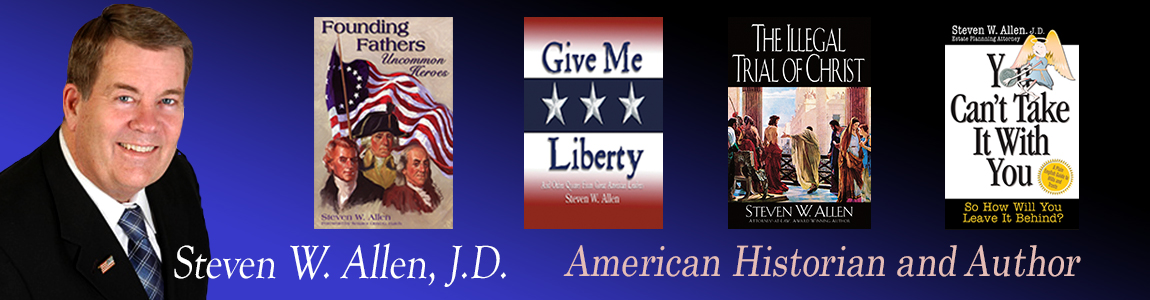
Give Me LIberty coverIt seems that we, as a nation, are just now learning some things that our Founding Fathers knew and tried to tell us. To warn us about.

Here’s just one small example from our first President, George Washington:

“Government is not reason, it is not eloquence, it is force; like a fire, a troublesome servant and a fearful master. Never for a moment should it be left to irresponsible action.”

–George Washington as quoted in “Give Me Liberty,”
by Steven W. Allen, JD.

Jefferson’s War and the Barbary Pirates

ThomasJeffersonIn the early days of our Nation, John Adams at first didn’t want to build up our Navy after the Revolutionary War. When Thomas Jefferson was elected to replace Adams, the nations of Europe and the United States were becoming more and more subject to the pirates of the Barbary coast.

When merchants wanted to sail through the Mediterranean Sea they were charged a bounty by the Barbary Pirates in order to pass Tripoli and other ports without being attacked. The Barbary Pirates were actually Muslims trying to extort benefits for not destroying the ships together with their cargoes. Most nations went along with this blackmail. It was just easier than fighting. read more

C. S. Lewis and Christianity

445192825_011af775a5_mMost people know C. S. Lewis as the author of “The Chronicles of Narnia” and that he wrote some other stuff about Christianity. But few know that he was at first an atheist. Through experiences in his life he became a Christian.

He wanted others to be able to find the same things he did, so he held a series of radio broadcasts in 1942 to 1944 about the Christian Faith he had by then endorsed. These speeches were gathered into a book titled “Mere Christianity.” It was addressed to people at war, and contains some amazing insights. read more

George Washington’s Farewell

Landsdowne paintingAfter his second term of office as President of the United States, George Washington wanted to leave some advice and counsel. This was especially important to him as he had served this country respectably, admirably and with honor his whole life. From the French and Indian war, to the Revolutionary War, to the Constitutional Convention, and finally in the nation’s first Presidency for two terms.

He declined to serve a third term, setting an example for posterity. But he wanted to leave a final message. Washington’s Farewell Address was once required reading for all members of Congress. It has some exceptional and wise words for all Americans to consider—carefully. read more

Jefferson Speaking of Madison

ThomasJeffersonAs you know Thomas Jefferson and James Madison were great friends.

As Jefferson completed his mansion “Monticello”, he built into the second floor a room dedicated to visits from James and Dolley Madison.

Jefferson also sent Madison a trunk full of volumes of books from France, regarding government and history to help Madison in drafting the U.S. Constitution. Jefferson was serving as Minister to France at the time at the discretion of Congress.

The erudite Jefferson was excited and inspired by the learning and academic study of James Madison. Here’s what Thomas Jefferson said about his kindred spirit, James Madison: read more

James Madison and Politics

JamesMadisonAs you know, James Madison is known as “The Father of the Constitution.” He was very knowledgeable and astute when it came to governments. He also had an idea about what to look for in your government leaders. This is how he described his philosophy:

“The aim of every political constitution is, or ought to be, first to obtain for rulers men who possess most wisdom to discern, and most virtue to pursue, the common good of society; and . . . to take the most effectual precautions for keeping them virtuous whilst they continue to hold their public trust.” read more