Political Cartoons

colorful-calendar-2016-template-free-vectorI used to love to read the newspaper. The daily, home delivery newspaper.I especially liked the comic section. Now my grandkids ask “what’s a newspaper?”

One thing I especially miss is looking at the editorial cartoon, which was usually on the editorial section, and by the letters to the editor. I haven’t seen one for a while. Oh well, such is progress.

Jeff MacNelly, who was a political cartoonist once wrote: “Political cartoonists violate every rule of ethical journalism—they misquote, trifle with the truth, make science fiction out of politics. . . . But when the smoke clears, the political cartoonist has been getting closer to the truth than the guy who writes political opinions.” read more
The U. S. Constitution and Judges

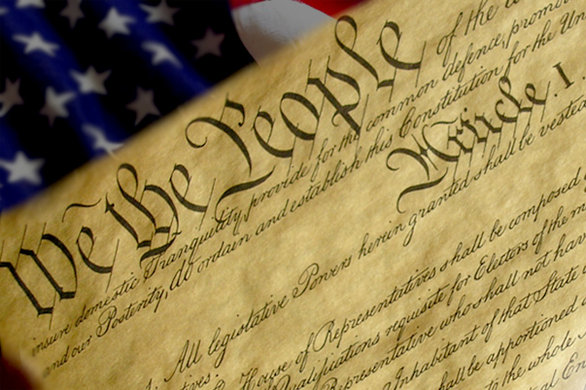
constitutionI have read the U.S. Constitution many times. I have never read anything in it that claims to have any jurisdiction over the civil condition or authority of marriage. And the Constitution does clearly state that what ever is not directly, by the words of that document, given authority to control or decide, is left to the States or to the People.

“The powers not delegated to the United States by the Constitution, nor prohibited by it to the States, are reserved to the States respectively, or to the People.” (Amendment X, The Constitution of the United States). read more

The Character of George Washington

Landsdowne paintingGeorge Washington was always very careful with his character, not only as others saw him, but that he stayed true to his central beliefs. You can see this in every stage of his life.

In the French and Indian war, he was especially careful to carry out his duties, even when he was feeling “unwell.”

In the Revolutionary War he was careful to lead his men, even in times of deep despair and tribulation.

In the Constitutional Convention he was very careful of his leadership as President of the Convention, and didn’t try to sway things from his chair up front. Instead he would take the time to visit with and persuade the members of that great Convention privately. read more

Benjamin Franklin’s Airbaths

Ben FranklinFranklin had a habit of engaging in a daily “Air Bath.” When Ben would arise every morning, he would open every window in his room, remove all of his clothes and sit around in the room for an hour or so in the “altogether”. Not even cold winter weather would discourage him in this practice.

He often recommended this practice to his friends or fellow traveling companions. He once told John Adams that this was the reason he rarely suffered from a cold. John Adams, however, couldn’t quite convert to it! read more

James and Dolley Madison, Your Hostess

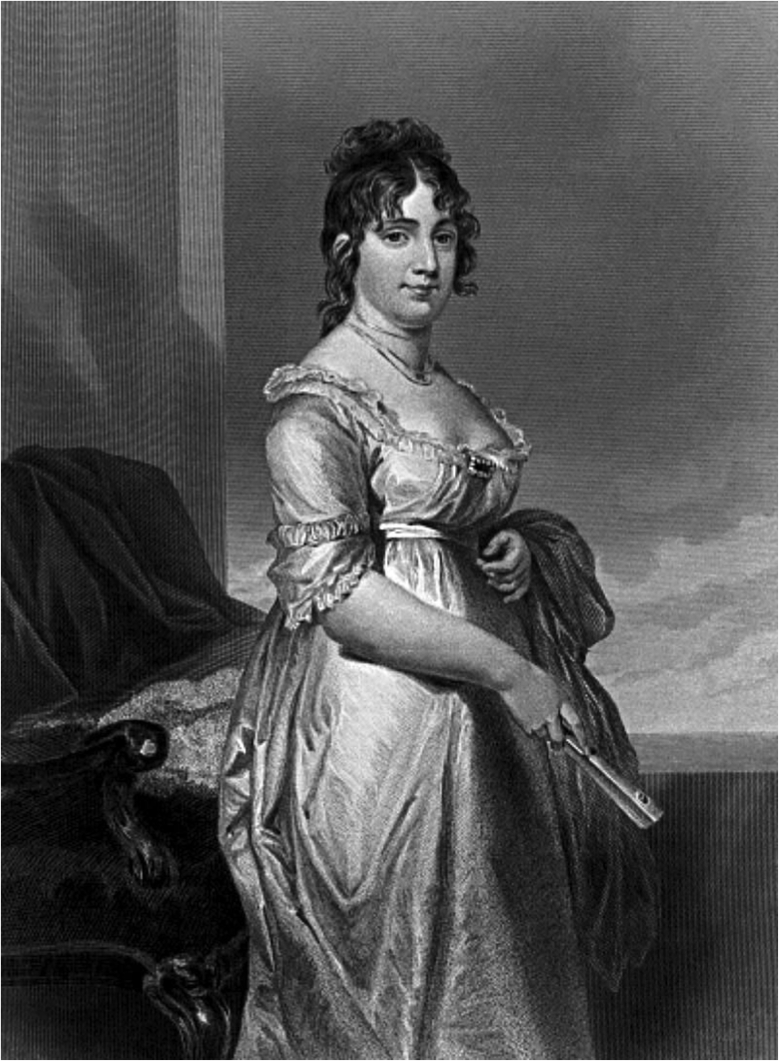
Dolley MadisonPerhaps the funniest experience I’ve had in teaching about the Founding Fathers, was at a High School. I had been asked to speak to the senior’s advanced placement government class about The Founding Fathers. Just an hour class. The students were smart and knowledgeable I was assured.

They were pretty much the same as the senior class when I was in high school except that they were all dressed much differently. It seems that the dress code has been pretty much been done away with! But the kids were nice and polite. At least to me. read more

Benjamin Franklin Stories to 2nd Graders at School

October 8, 2015.

Today was the day I got to speak to four classes of 2nd graders. It came about when my grandson, Garrett, himself a 2nd grader, gave his teacher my book, “Founding Fathers—Uncommon Heroes>” This teacher, Ms. Perkins actually loved the book!

The teacher then asked my daughter, Wendi, Garrett’s mother, if she could ask me to come and teach Garrett’s class a little bit about some of the Founding Fathers. She asked me and I accepted. The Ms. Perkins though all of the 2nd graders should hear my presentation! So she invited the other classes to join together. That meant I was to speak to 4 different classes made up of about 100 2nd graders. read more

Thomas Jefferson and the Written Word

whom?I have a Juris Doctor degree from Arizona State University College of Law. I am an author and have written five books. I’m currently working on a sixth. I was brought up in a home with a mother who was an English Major at the University. So I have a pretty good grasp of the English language!

Most are familiar with Thomas Jefferson’s writing at least in the Declaration of Independence. It is a masterful piece of written language! Tom was also a lawyer, a scientist, a linguist and a writer. Nowhere in the Declaration is the word “whom” used. But he could have used the word. It was in use in his time. But then he also powdered his hair on occasion, and wore a tri-cornered hat! read more

Was John Hancock a Smuggler?

We celebrate Independence Day in America on July 4. And rightly so, since that is the day that the official document creating our Independence was approved by the Continental Congress, in effect making America a new nation. Independent from Great Britain, and all other nations on the earth.

While we remember this day with celebrations and festivities, did you know that only 2 members of that Continental Congress signed the Declaration of Independence on that date? It’s true. Only the President of the Continental Congress, John Hancock, and the secretary signed their names on July 4, 1776. Then the formal document was sent out to be “engrossed”, or printed by hand in beautiful clear graphic letters by a professional in that business. read more

Thomas Jefferson – What Would He Think of Our Country Now?

It would be interesting to hear what Thomas Jefferson would have to say about his country now, 235 years after he penned his immortal document, The Declaration of Independence. I believe in some ways he would be pleased. In others he would be chagrined and very disappointed.

George Washington U.S. President – two terms

Did you know that George Washington was sworn in for his second term as the President of the United States of America on March 4, 1793?

Following the drafting of the new Constitution for the United States of America, it was sent out to the various States for ratification. In 1787 three States ratified it. In the next year, eight more States gave their approval. On April 6, 1789, the Constitution of the United States became the basic law of the land as the electoral college unanimously elected George Washington as its first President. read more