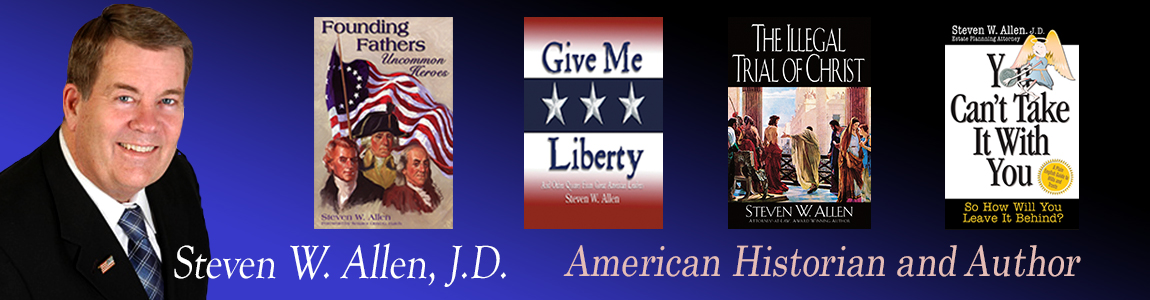
 Thomas Paine had a great influence in the hearts of early Americans, especially the soldiers serving under General George Washington. George expected obedience and loyalty from his troops. He wanted them to quit the use of foul language, to show respect to others, and to do their duty. The soldiers grew to love their leader.
Thomas Paine wrote a couple of highly touted booklets that raised the spirits of the colonists, especially Washington’s troops, who would soon fight the battle of Trenton.
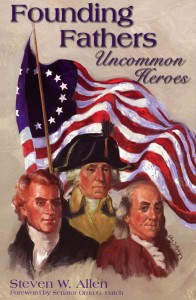
 In his elder years John Adams and Thomas Jefferson rekindled their friendship. They carried on a correspondence that covered every known topic. They were both very learned gentlemen and together they had accomplished more than anyone could have expected. Thomas Jefferson wrote the Declaration of Independence without books or reference materials. John Adams carried the day at the convention by his forceful power of speaking.
 Benjamin Franklin created his “Project for Moral Perfection” in order to become as perfect as he could in his chosen principles.
 Dolley Madison, who was married to James Madison, was raised a Quaker. She gave up her religion when her father was banished from the Quaker religion when he filed for bankruptcy as his starch making business failed. Dolley couldn’t get over that.
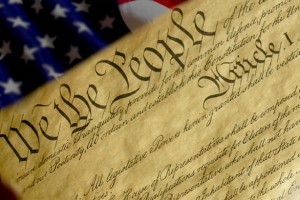 We learned in our Contracts class, that to understand a contract you had to look into the “four corners” of the document to understand the basic premise. That apparently isn’t the case with the most important document in the establishment of the nation, the Constitution.
 Persuading others to your point of view requires patience and endurance. Franklin assumed that people change their minds only slowly and indirectly. Ben would say: “If you don’t win the bargain today, go after it again tomorrow.” Here are some of the tips Franklin recommends for initiating persuasion:
 The original Founding Fathers didn’t seem to move around too much. You know, sell their homes and find another. George Washington loved Mount Vernon so much that he wanted to return there instead of serving another term as President.