
 When the U.S. Constitution was ratified and George Washington was elected as the first President of the United States of America, not only was a new nation created, but also a new culture.
This new nation was based on the founding principles of honesty, human rights, and virtue. The nation provided as John Adams described it: “a light on a hill” for all to look to admire, and duplicate. There was an excellence for other nations, and peoples, to strive after.
The creation of the United State of America gave other nations an understanding that the United States of America is a place where people could be free. They would be free to practice their religion as they chose, free to think whatever was on their minds, and even free to speak those thoughts.
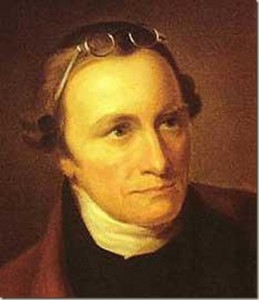 Back when the Eastern coast of America was only an unofficial assemblage of British colonies, there were some major disturbances in Boston. Because of communication between some of the leaders, some individuals decided to do something.
 My Father died last year. I was going to visit his grave this day, but my brother told me he had been there and the grave was overgrown with weeds, mucky and wet, and to top it off most of the grass was gone or dead. Wow, I didn’t expect that. The grave is supposed to bring back good memories.
 I was looking for something nice to say on this Memorial Day weekend. In my favorite quote books there wasn’t much between memory and virtues. But I did find this quote which really touched a nerve and I thought should be considered in our nation on this day we celebrate some heroes.
 “I am determined to be cheerful and happy in whatever situation I may find myself. For I have learned that the greater part of our misery or unhappiness is determined not by our circumstance but by our disposition.” –Martha Washington, First American First Lady, 1732-1802.
 Several years ago while I was a successful practicing attorney, I was looking through the morning newspaper. Yes, we still had one on home delivery in those days.
 “Tact is the ability to see others as they see themselves.”
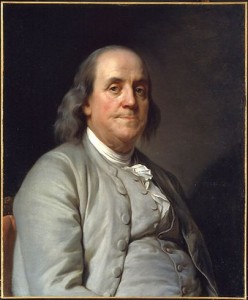 In Benjamin Franklin’s Project for Moral Perfection he listed 13 characteristics that he wanted to improve during his lifetime. Yes, he wanted to become perfect. He had trouble with one of them and said: