 I believe that the Founding Fathers were all EXCEPTIONAL leaders. They were all at the right place at the right time in history. It’s pretty amazing if you think about it. How often can you get 55-56 well educated and experienced men in one room and have them agree on anything, let alone how to build a new nation?
I don’t believe it could ever be done again. It certainly hasn’t been done since 1989! Here’s Peanuts take on this:
Lucy and Charlie Brown are discussing things. Lucy says to Charlie: “There are leaders in this world, Charlie Brown, and there are followers . . .”
 One of my favorite historical novels was about John and Abigail Adams. The book was titled “A Love Story,” by Irving Stone. Most know of their marriage and how Abigail kept the home going while John was off being an attorney, a diplomat and a Founding Father.
 Republic—a state in which the supreme power rests in the body of citizens entitled to vote and is exercised by representatives chosen directly or indirectly by them.
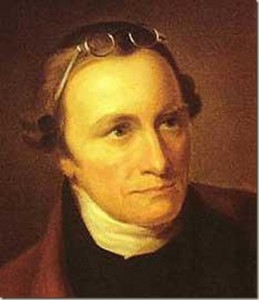 One of my other heroes, and Founding Fathers, Patrick Henry, was also an inventor of sorts. Patrick served for a while in his youth as a “bartender” at his father’s General Mercantile Store and Country Inn. He didn’t like it much. He saw first hand how much damage liquor did to the common man. Some people he served lost their money, their families, their wives, their homes, and even their lives to that vile habit—drinking.
 What a wonderful experience it was today to be introduced to a distant member of the family, by marriage, to a young lady who is an elementary school teacher. And just by chance, she teaches American History!
 John Adams who had spoken fervently in Congress that such a proposition should definitely be approved, was excited. He was so proud of this accomplishment that on July 3, he wrote home to Abigail: