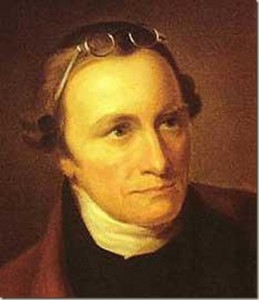
 Patrick Henry warned us about losing some of our rights, even with the new Constitution. Yes, just as he warned, I was unjustly and falsely accused of conspiracy to defraud the government. To avoid a possible 37 year prison sentence, I accepted a plea offer. Later I was exonerated when the civil court decided I had done no wrong.
Read about this In my upcoming book “A Patriot Imprisoned.” Sometimes people ask me how I could have made it through confinement, imprisonment, and detention, and remain confident, optimistic, and even positive? It’s because those are my choices. That is my character.
 Sometimes the ones in the right must stand up to the Bullies in the wrong!
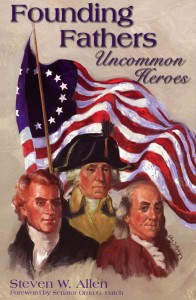
 There are those who deem it necessary to besmirch the characters of GREAT men in the history of the Unites States. Much that is untrue has been said or written about Thomas Jefferson, Benjamin Franklin, and yes, even George Washington.
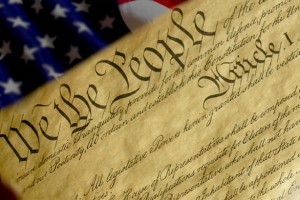 Benjamin Franklin was asked one question as he left the Constitutional Convention in Philadelphia after the meeting had adjourned on September 17, 1787. He was asked by a widow as Ben walked slowly down the steps: “Well, Doctor Franklin, what have we got, a Monarchy or a Republic?”
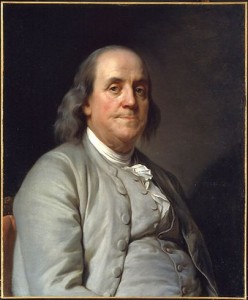 Franklin didn’t have much of a formal education, but he had a lion’s share of personal experience and the use of knowledge. But he did have some strong opinions on education for American children.
 He had some interesting help along the way. Alexander Hamilton, James Monroe, General von Steuben, Nathan Hale, and even Thomas Paine. Paine was there when Washington crossed the Delaware for that famous battle of Trenton (and Princeton).
 The past few days so many editorialists and commentators have touted that we have a great democracy. I must remind you once again, we, in America, do NOT have a democracy. Remember how after the Constitution was finally approved by the Constitutional Convention in 1787, Benjamin Franklin was asked “what was the result of the deliberations. What kind of government do we have?”