Character and George Washington

Landsdowne painting“Character is like the foundation of a house—it is below the surface.” –Anonymous

But isn’t that so true. The real and true character is below the surface, it is unseen except in the mannerisms, attitude, and language of the beholder. It cannot be faked or put aside, but is constant. It becomes a part of a person’s being.

The dictionary describes Character as: “the aggregate of features and traits that form the apparent individual nature of some person or thing.” (Websters Encyclopedic Unabridged Dictionary, page 247). read more

Patrick Henry and Christmas

PatrickHenryBob Kelly is a professional speaker and a friend of mine, and so is Patrick Henry. Here’s what Patrick said, and it makes me wonder if he would feel the same way today when our liberty and very life is threatened.

“It cannot be emphasized too strongly or too often that this great nation was founded, not by religionists, but on the GOSPEL OF JESUS CHRIST!
For this very reason peoples of other faiths have been afforded asylum, prosperity and freedom of worship here.” (Patrick Henry as quoted in “Worth Repeating”, by Bob Kelly, 2003, page 51.) read more

The Daughters of the American Revolution

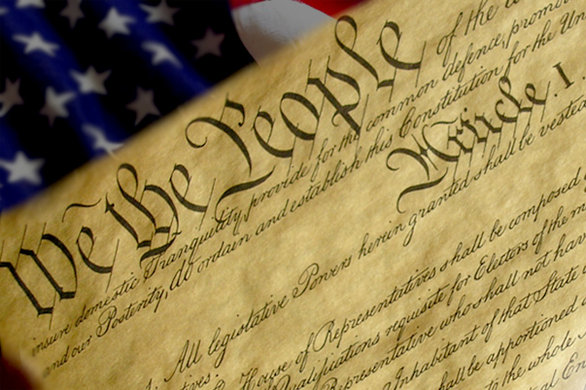
constitutionToday I was honored as the special guest speaker at the monthly meeting of The Daughters of the American Revolution. It was real privilege to present to them a little about our Founding Father Benjamin Franklin.

The ladies were invited to bring their husbands, and so we were happy so have some gentlemen there as well. I found the group to be well educated about our country’s revolution, and to be a most attentive and riveted audience.

In the discussion there seemed to be some confusion about the difference between the Continental Congress and the Constitutional Convention. It was soon cleared up. read more

Thomas Jefferson as President

ThomasJeffersonIn watching some of the political debates and even interviews lately, I couldn’t help but think of Thomas Jefferson’s most helpful statement:

“Nothing gives one person so much advantage over another as to remain always cool and unruffled under all circumstances.”

Having said that it is interesting to think that Thomas Jefferson would have a most difficult time being elected as President today. Why? He was not a very good speaker! He was a magnificent and awe-inspiring writer to be sure. See the Declaration of Independence for example. read more

Benjamin Franklin and Santa Clause

Ben FranklinOf all the Founding Fathers, I think that Benjamin Franklin is the most like Santa Clause! Just think about it. Ben was most diplomatic and he just loved people and found a way to get his way in life. He was most industrious, diligent, and hard working.

Ben was perhaps a little bit more rounded than the others, but, alas, he didn’t wear a beard. He was able to mystify his friends with his talents, his knowledge, and his inventions. Ben was also very much in favor of creating happiness and joy at various times of the year, especially at Christmas. read more

Washington Kept His Promise

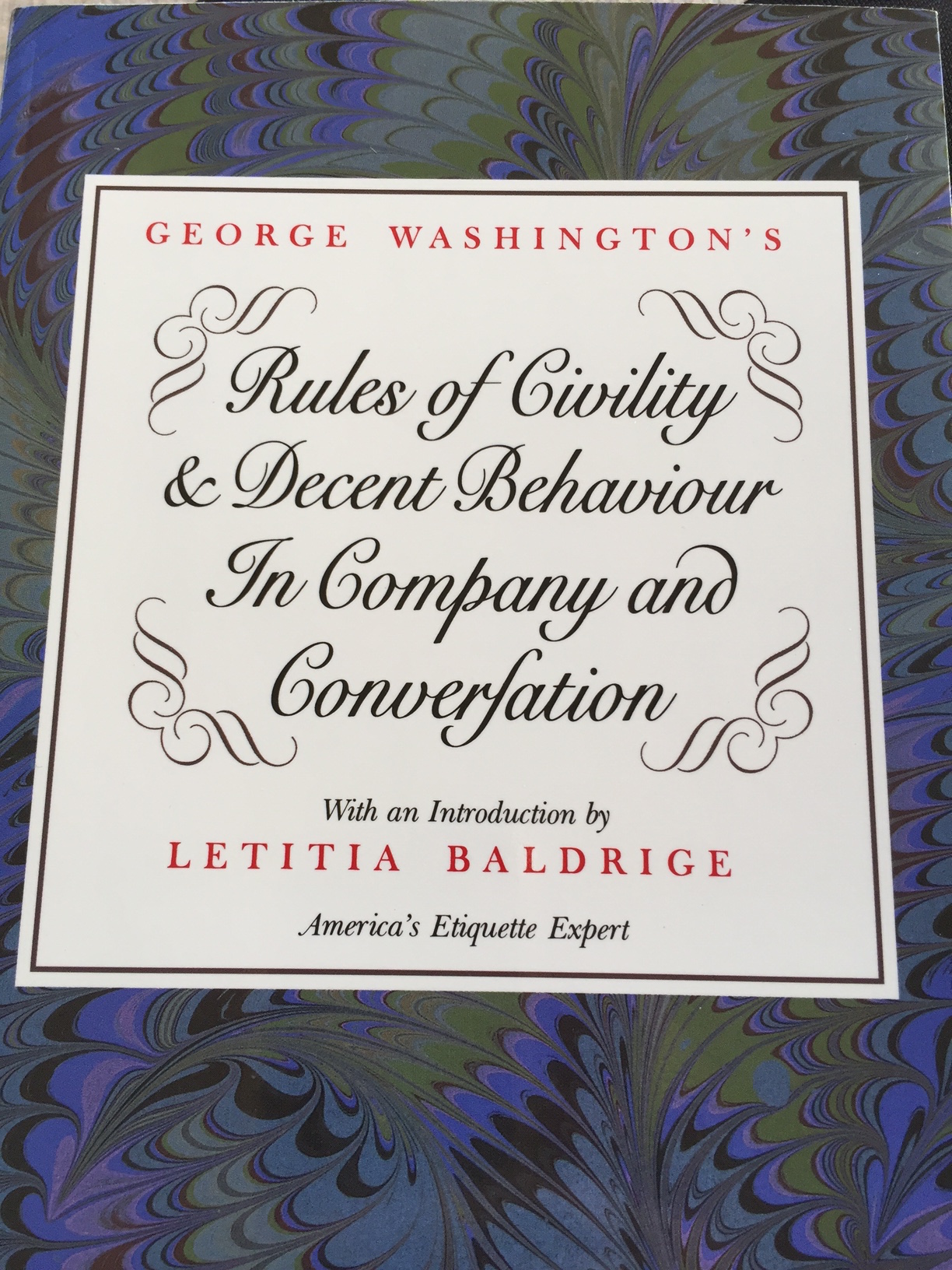
GW Rules“Undertake not what you cannot Perform but be Careful to keep your Promise.”

I’m sure that George Washington must have thought often of this Rule he learned in his youth, when he struggled with his soldiers in the nearly 7 years of the Revolutionary War.

When he was first elected by Congress as the Commander in Chief of the newly united American armies, I don’t think he could have fully understood the troubles and distresses they would have to endure for the next several years.

The victory at Dorchester Heights, was a great beginning. But the battles of New York nearly destroyed the whole army, and except for miraculous happenings even George Washington would have been killed. read more

The Revolutionaries and Football

Scene_at_the_Signing_of_the_Constitution_of_the_United_StatesI asked my wife for suggestions regarding what I should write about tonight on my Blog. She said: “Since it’s Monday night football, why don’t you write about what football teams the original Americans would root for.”

I answered: “That would be fun, but football hadn’t been invented yet when they were still around!”

But when I thought about it, I thought “what a good idea!”

Of course, John Adams, being from Boston, and a Patriot himself, would root for the New England Patriots. And, I suppose George Washington would join him, seeing as how Washington, DC hadn’t been built yet. read more

Natural Law and the Declaration of Independence

445192825_011af775a5_mPeople were beginning to talk about the Colonies becoming independent from Great Britain. Unfair treatment of the colonists without giving them any representation in the British body which deliberated the laws, caused many to rebel, rise up, take to the streets, and, yes revolt.

The colonies sent leaders to represent them in a Continental Congress at Philadelphia. At the 2nd Continental Congress the representatives decided to put independence to a vote. A committee was formed to draft a Declaration of Independence should one be necessary. That committee was Benjamin Franklin, John Adams, Roger Sherman, Robert Livingston, and a young lawyer named Thomas Jefferson, who was chosen to write the first draft of such a document. read more

Liberty or Dry Paint?

Ben FranklinNot long ago I heard a quote that made me stop and think a little more closely about life itself. It went something like this:

“Tell a man there are trillions of stars in the universe, and he’ll believe you. Tell him there’s wet paint on the wall, and he’ll touch it just to be sure!”

That reminded me of another quote by Benjamin Franklin, I don’t know why, maybe I just had to reach out and touch it?

“They that can give up an essential liberty to obtain a little temporary safety, deserve neither liberty nor safety.” read more

Was Benjamin Franklin Perfect?

Ben Franklin thumb pictureOK, I realize I have written about Benjamin Franklin quite a few times in the past several weeks. It just occurs to me from time to time that he was fabulously successful in all he did. Benjamin Franklin began a project in his youth because he wanted to become as fine, good, and yes, even as perfect as he could be. He called it his Project for Moral Perfection. He wrote about it in his autobiography, which, of course you have read.

He somehow knew as a youth that his decisions were very important. The choices he would make in life—his education, his marriage, his career, and his service to others would be important. Extremely so. He was then very attentive and even cautious about his resolutions. He resolved to become as perfect as he possibly could. read more