Thomas Jefferson as A Speaker

ThomasJeffersonSpeaking of professional speakers, one of the Founding Fathers who wouldn’t be one would be Thomas Jefferson! Although he was very intellectual, wise, and erudite, he was not a good speaker. He could write better than the best of them. But speak he could not, and he knew it. For that reason alone, he probably couldn’t be elected President today.

His voice was high and “squeaky”. He wrote the initial draft of the Declaration of Independence without book or pamphlet as references. Only his background and training as a lawyer guided him through his writing. But he didn’t speak up on behalf of his draft at the Continental Congress. He allowed John Adams to represent him and the committee in advocating adoption of the Declaration. read more

Give Me Liberty

PatrickHenryI received my monthly “Speaker” magazine today. I am a professional speaker and have been a member of this fine Association for many years. Of course, my interest has been speaking about the Founding Fathers and the way they taught character and leadership.

But today as I looked at my new magazine, I couldn’t help but think that there was no National Speakers Association in the 1700’s. And indeed, there were no professional speakers in that day either. There were, however some very great speakers. John Adams, with his persuasive ability comes to mind. read more

Washington, Peanuts, and Camping

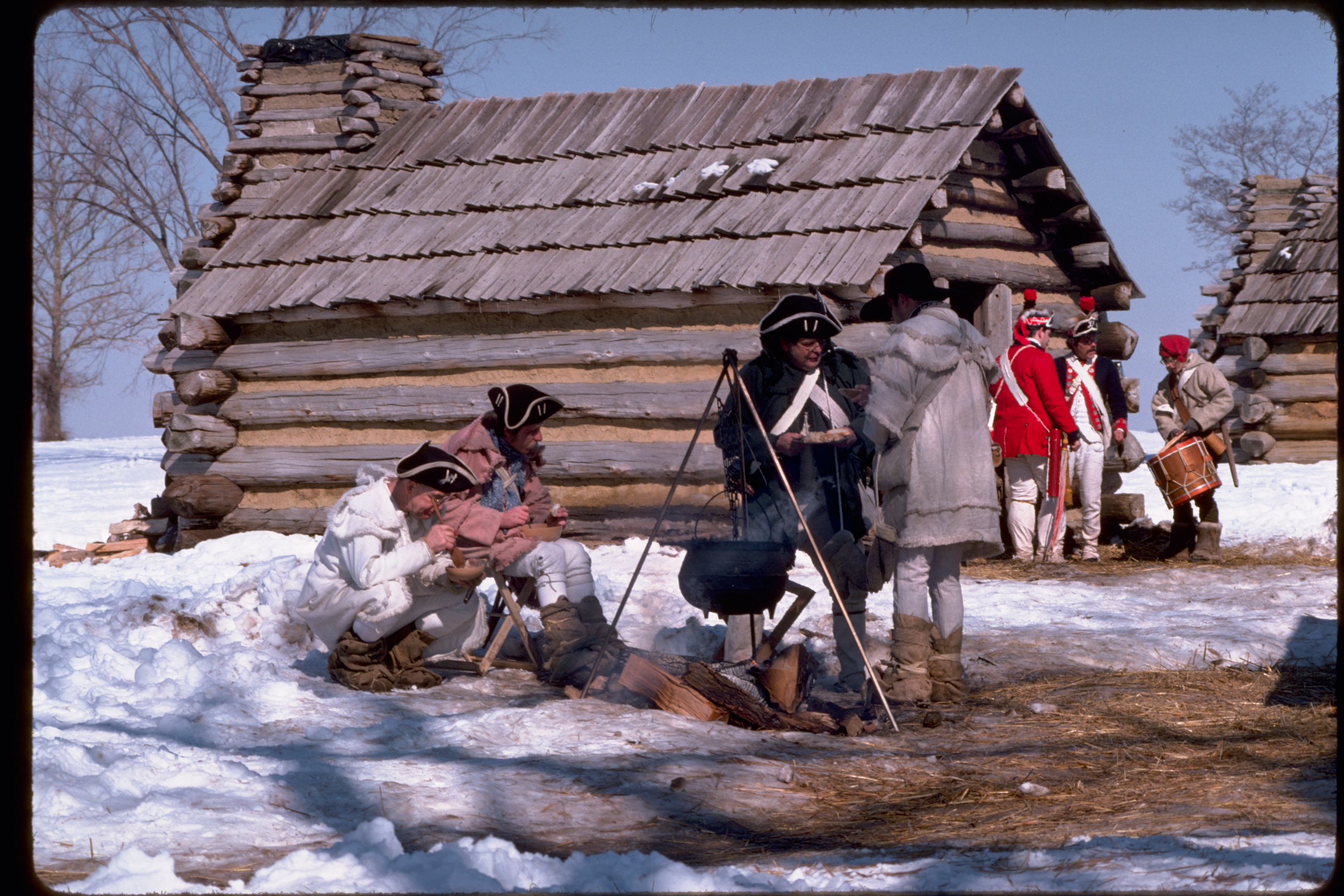
Valley_Forge_National_Historical_Park_VAFO4627George Washington was familiar with camping. He did it during the French and Indian War, the Battle of Boston, of New York, of Trenton and Princeton, and his favorite, at Yorktown. With many adventures in between. He was a good camper, and a great tactician. Although he did get a little bit better accommodations at camping than most of his soldiers.

I still suspect he sometimes felt a little bit like Lucy in a Peanuts comic strip. The comic strip goes like this:

Lucy is at her desk with the sign above, which declares: “Psychiatric Help 5 cents.” Well it was really a cent sign, which my keyboard doesn’t have. read more

George Visits the Carribean

GeorgeWashingtonGeorge Washington’s mother taught him that it was not enough to have big dreams, but you had to do something about them. Accomplish things. Early in his life young George wanted to become a sailor, like his brother Lawrence before him. His mother, though, discouraged him.

But George did join his brother on what became George’s only trip outside of the American Continent. Lawrence had contracted tuberculosis. His doctor suggested that Lawrence should go to the West Indies and rest in that humid and warm client. George went with him. read more

West Point Academy

West_Point_Cadet_Chapel_Interior_04Did you know that the Church Organ at the Church at West Point is the largest Church organ in the world. Yes, even bigger than the Tabernacle organ of the Mormon Tabernacle Choir. It’s considered an honor to ask to play it. That organ has 23,511 pipes. The Mormon Tabernacle organ has only 11,623 pipes.

You’ll remember, of course, that the traitor, Benedict Arnold attempted to sell the old Fort at West Point to the British during the Revolutionary War. He was a turncoat to the Redcoats after he had been a hero at Fort Ticonderoga. What a shame. read more

George Washington, a Success Story

GeorgeWashingtonThis quote by Booker T. Washington, seems especially to apply to our own First President, George Washington:

“Success is to be measured not so much by the position that one has reached in life as by the obstacles he has overcome.”

Although George’s success could by measured by the positions that he reached, during which he had to overcome many obstacles.

He was a hero in the French and Indian War, a member of Virginia’s House of Burgesses, a very successful plantation owner and businessman, the First Commander in Chief of the new United Colonial Army. He also was a hero, a tactician, a chief of a spy ring, and a celebrated and distinguished General in the Revolutionary War—which he eventually won against the World’s largest military and navy. read more

Winston Churchill and Human Rights

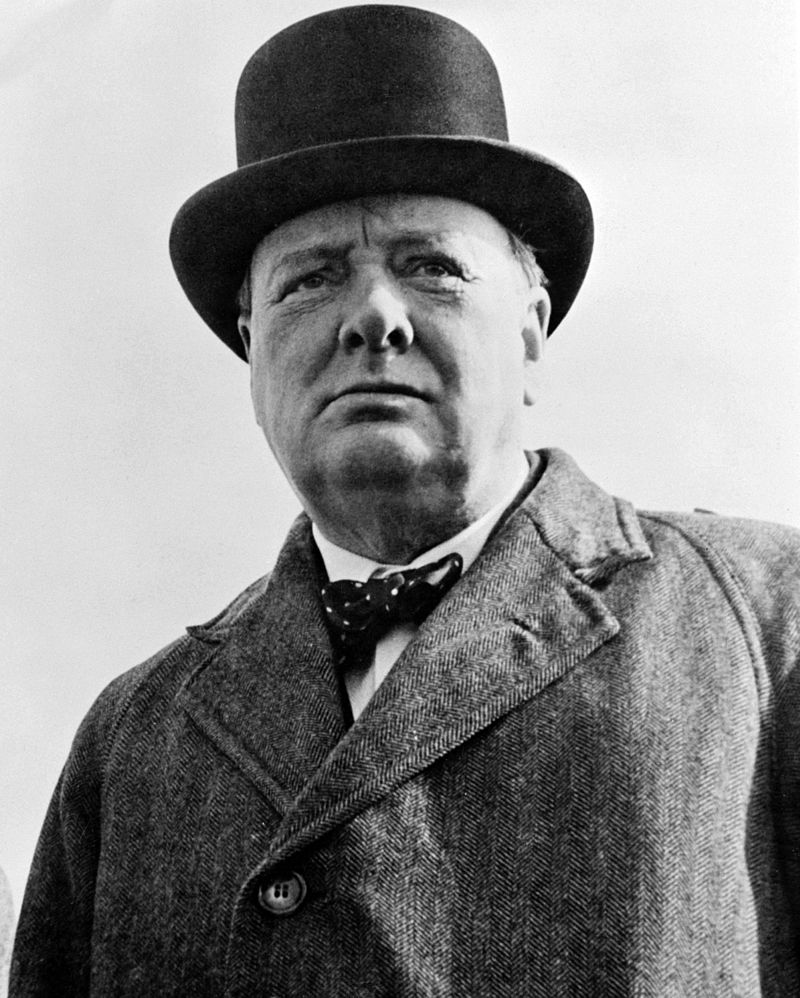
800px-Sir_Winston_S_ChurchillLarry P. Arn, President of Hillsdale College, in Michigan, has written a book about Winston Churchill. He give us some glimpses into Churchill’s thinking about liberty and war.

In 1940 Churchill had become the leader of Great Britain. At this time his country’s Parliament had proposed to him a peace conference which had been arranged by Mussolini, Italy’s leader who had joined with the German Nazi’s to try to conquer the world.

At that period of time Britain stood alone in the West as the only country to specifically oppose Nazi Germany. The German forces vastly outnumbered those of Great Britain. Germany had conquered France and was threatening to cross the English Channel and likewise conquer England. read more

James Madison and the Choice of Liberty

JamesMadisonJust as Patrick Henry proclaimed “Give me liberty or give me death”, James Madison did likewise. His statement was worded just a little differently.

Madison defined “property rights” to be the same as all human rights. Such rights are specifically protected in our Bill of Rights, the first 10 Amendments, proposed by Madison and adopted by the States.

James refers to property to include such human rights at freedom of religion, freedom of speech, and freedom of the press. He wrote that property “included everything to which a man may attach a value and have a right, and which leaves to every one else the like advantage”(emphasis in the original writing). read more

The Lion, The Witch, and The Government

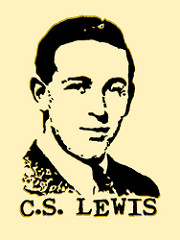
445192825_011af775a5_mYes, back to that author of the famous books, including “The Lion, The Witch, and The Wardrobe.” I’ve said some things about his book “Mere Christianity” before. I hope you found that interesting.

In his book titled “Mere Christianity” he said some profound messages. One that caught my eye was about government. Sort of.

“What is the good of telling ships how to steer so as to avoid collision if, in fact, they are such crazy old subs that they cannot be steered at all? What is the good of drawing up, on paper, rules for social behavior, if we know that, in fact, our greed, cowardice, ill temper, and self-conceit are going to prevent us from keeping them? I do not mean for a moment that we ought not to think, and think hard, about improvements in our social and economic system. What I do mean is that all thinking will be mere moonshine [not the drinking kind] unless we realize that nothing but the courage and unselfishness of individuals is ever going to make any system work properly. . . . You cannot make men good by law: and without good men you cannot have good society. That is why we must go on to think of the second thing: of morality inside the individual.” (“Mere Christianity”, C. S. Lewis, page 73). read more

Martha Washington at Valley Forge

Dolley_MadisonMost people know that George Washington spent the winter of 1777-8, with his troops at Valley Forge. But did you know that Martha Washington joined him there for a time?

She was driven in a carriage by one of her aides and saw miles of the filth, the dead horses, open latrines, and the appalling condition of the soldiers and their camps.

She was escorted through to the hospital which was not much more than a barn which had been made into a system of cots and straw to hold the injured soldiers. She was able to help some of the soldiers who were in dire straits. read more