James Allen, the philosopher (not my brother, Jim), has been called the “literary mystery man of the 20th Century”. Even though his best selling classic work “As A Man Thinketh” has influenced, and even inspired millions around the world, not much is known about the man himself.
 In another one of his books, “The Path to Prosperity” he gives this wise counsel: “Money does not constitute true wealth, nor position, nor power, and to rely on it alone is to stand upon a slippery place.
 There are those who deem it necessary to besmirch the characters of GREAT men in the history of the Unites States. Much that is untrue has been said or written about Thomas Jefferson, Benjamin Franklin, and yes, even George Washington.
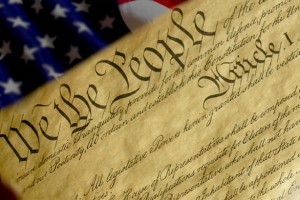 Benjamin Franklin was asked one question as he left the Constitutional Convention in Philadelphia after the meeting had adjourned on September 17, 1787. He was asked by a widow as Ben walked slowly down the steps: “Well, Doctor Franklin, what have we got, a Monarchy or a Republic?”
 After reviewing some things I have in common with John Adams, I had to remember why I started studying the Founding Fathers anyway. As a young lawyer I was appointed by the mayor of Phoenix, Arizona, to be a member of his “Citizens Crime Commission,” a group of volunteers who met monthly and discussed methods the Mayor could use to alleviate crime in the City.
 He had some interesting help along the way. Alexander Hamilton, James Monroe, General von Steuben, Nathan Hale, and even Thomas Paine. Paine was there when Washington crossed the Delaware for that famous battle of Trenton (and Princeton).
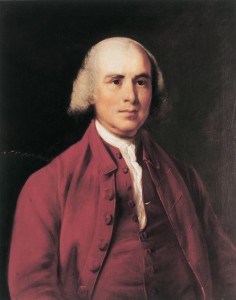 There is much talk these days about our U.S. Constitution. There is not as much talk about the “Father of the Constitution” as James Madison is known. He is, after all, the one who got the framers together to amend the Articles of Confederation. And that took some doing. George Washington didn’t want to attend—he didn’t think it could be successfully accomplished!