I pledge Allegiance to the flag of the United States of America,
And to the Republic for which it stands,
One nation, Under God, indivisible,
With liberty and justice for ALL.
 Republic—a state in which the supreme power rests in the body of citizens entitled to vote and is exercised by representatives chosen directly or indirectly by them.
Democracy—government by the people; a form of government in which the supreme power is vested in the people and exercised directly by them or by their elected agents under a free electoral system.
 In the upcoming Presidential election it would seem to be very important to consider what our first President of the United States said about one thing to look for:
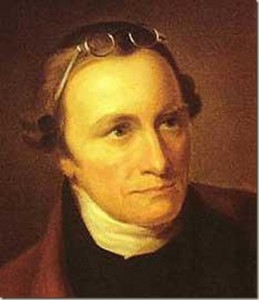 One of my other heroes, and Founding Fathers, Patrick Henry, was also an inventor of sorts. Patrick served for a while in his youth as a “bartender” at his father’s General Mercantile Store and Country Inn. He didn’t like it much. He saw first hand how much damage liquor did to the common man. Some people he served lost their money, their families, their wives, their homes, and even their lives to that vile habit—drinking.
 What a wonderful experience it was today to be introduced to a distant member of the family, by marriage, to a young lady who is an elementary school teacher. And just by chance, she teaches American History!
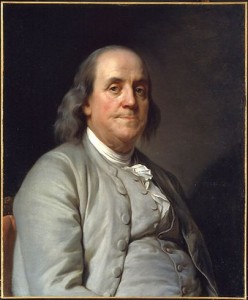 Benjamin Franklin captured so many roles during his lifetime, and it’s amazing how much he was able to accomplish. How did he have time to live a life? He was a scientist, inventor, statesman, printer, humorist, diplomat, public servant, philosopher, economist, franchisor, writer, musician, and Founding Father.
 There seems to be a difficulty these days with rendering complete forgiveness to someone who has injured one in some fashion. So as I came across some interesting quotes about forgiveness, I thought I would share them with you. The first one is from Josh Billings, who was introduced to you yesterday.
 Benjamin Franklin was a man of exceptional understanding of human nature. He was always very charitable and considerate in his dealings with other people, even those who had mistreated him in some fashion. Of course you’ll remember his successes with his Project for Moral Perfection. I believe he came close, if indeed he didn’t quite get there!
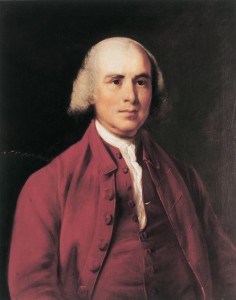 James Madison had prepared himself to be a builder of nations. He wanted to go to The College of William and Mary, like his close friend and mentor. However he found that the weather and temperatures there were not favorable to his health and stamina. So he looked northward and enrolled at The College of New Jersey, later known as Princeton College, which had a good reputation. Princeton had been founded originally to train Presbyterian Ministers.