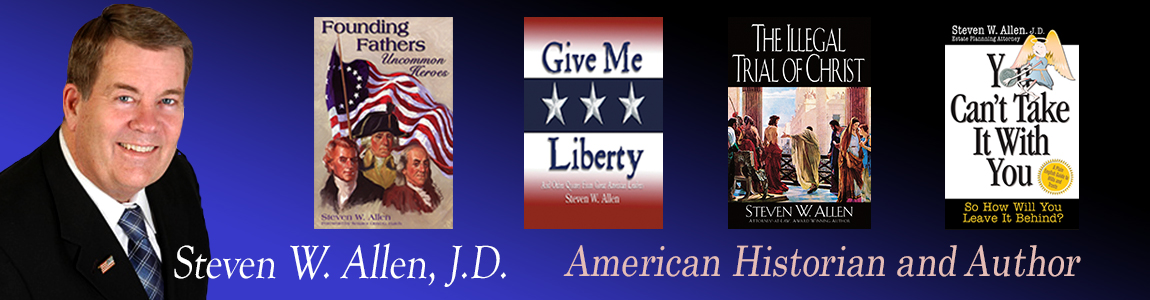
When you read the writings of most of those who were considered to be Founding Fathers of our nation, you may be surprised at the wonderful use of the English language, the expressionism, the wisdom repeated in beautiful prose.
But not all the Colonists spoke or wrote that way. Sam Adams for one, used some course language to get his points across. Jefferson was at his finest in his writings, as we see from The Declaration of Independence, which he wrote without books or reference materials.
 John Adams was creative and artistic in his use of words. He once explained to Abigail that he wanted to write a book to express his feelings and knowledge about the new Constitution which was being written while he was a diplomat to Great Britain.
 Thomas Paine had a great influence in the hearts of early Americans, especially the soldiers serving under General George Washington. George expected obedience and loyalty from his troops. He wanted them to quit the use of foul language, to show respect to others, and to do their duty. The soldiers grew to love their leader.
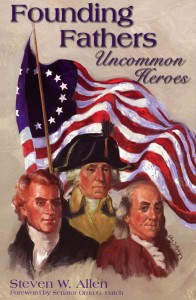 Benjamin Franklin created his “Project for Moral Perfection” in order to become as perfect as he could in his chosen principles.
 One of the character traits that Benjamin Franklin wanted to pursue to perfection as described in his “Project for Moral Perfection” was Tranquility. He defined it thus: “Be not disturbed at trifles, or at accidents common or unavoidable.”
 George Washington learned how to exhibit good manners and good character, especially in public. In his youth he was taught penmanship by writing the “110 Rules of Civility and Decent Behaviour in Company and Conversation” as they were dictated by his mentor. So at an early age he was introduced into the etiquette of the times.
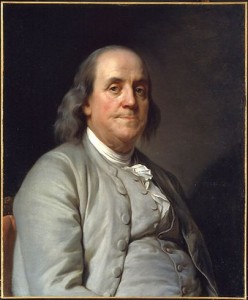 “Life with fools consists in drinking; With the wise man living’s thinking.” Benjamin Franklin.
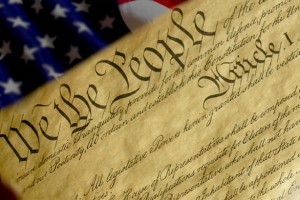 Of course Franklin knew these words were directly in the Declaration of Independence, which was upheld by the United States Constitution. He helped draft both of them. But the meaning of the direct words is vouchsafed by our Constitution.