 I know it’s a little bit early yet, but Easter is fast approaching. I have sometimes been asked why I have written my books on totally different subjects. Well, the short answer is my background is in law, therefore the Trial of Jesus Christ became a very real matter of interest to me.
I lived outside of the country for a while which imbued in me a spirit of patriotism. Then when I attended a conference in Philadelphia, in 1976, the Bicentennial of the Declaration of Independence my interest in the Founding Fathers grew by leaps and bounds. I gave many presentations about my heroes, George Washington, Benjamin Franklin, Thomas Jefferson, Patrick Henry, John Adams, and James Madison, to the point where people in my audiences began to ask for me to write a book. So I did.
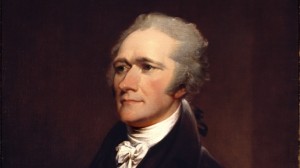 In the last few blogs, I have focused a little on Washington and the Battle of Trenton. The miraculous battle was immortalized by that painting of Luetze of Washington crossing the Delaware. You’ll remember that in that battle Alexander Hamilton was one of the young soldiers who helped create the victory.
 George Washington could teach all our politicians a thing or two—of course they’d have to listen. George was taught penmanship by a mentor or tutor when he was still quite young. His teacher taught him how to write in beautiful script which was plain and easy to read. George had good penmanship throughout his life.
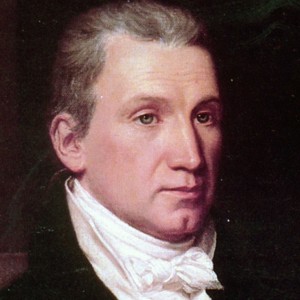 I would like to remind you of the acts of two of the other great American heroes of the Revolution who took part in that battle. The Battle of Trenton.
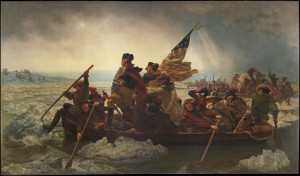 Many know of the miraculous march on the British stronghold at Trenton on Christmas night, 1776. You have most likely seen the beautiful painting by Emanuel Leutze in 1851, depicting the crossing of the Delaware River to stealthily approach the Hessian soldiers who were camped there.
 John Adams doesn’t get the honor and acclaim he deserves! Even in his lifetime he saw this coming. He said:
 George Washington was one to give words of counsel and wisdom to those he associated with (or with whom he associated, if you prefer). Pearls of wisdom just seemed to fall from his lips. Some were actually written down. Here’s one I like and understand:
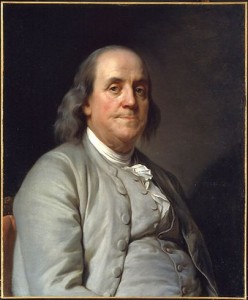 One of the most important, but often overlooked, details of Benjamin Franklin’s legacy, is that he was a doer, but a self-made man. Read his Autobiography if you haven’t already—or read it again for new insights.