 What a wonderful experience it was today to be introduced to a distant member of the family, by marriage, to a young lady who is an elementary school teacher. And just by chance, she teaches American History!
As I presented her with a copy of my book, she asked me how I came to write it. I got to tell her my story. What fun for me!
After I had graduated from law school, I was invited personally by the mayor of the City of Phoenix to become a member of the Phoenix Citizen’s Crime Commission. There used to be a chapter of such a commission in every major city in the United States—but that’s another story.
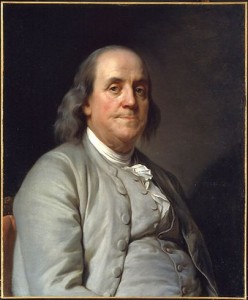 Benjamin Franklin captured so many roles during his lifetime, and it’s amazing how much he was able to accomplish. How did he have time to live a life? He was a scientist, inventor, statesman, printer, humorist, diplomat, public servant, philosopher, economist, franchisor, writer, musician, and Founding Father.
 There seems to be a difficulty these days with rendering complete forgiveness to someone who has injured one in some fashion. So as I came across some interesting quotes about forgiveness, I thought I would share them with you. The first one is from Josh Billings, who was introduced to you yesterday.
 Benjamin Franklin was a man of exceptional understanding of human nature. He was always very charitable and considerate in his dealings with other people, even those who had mistreated him in some fashion. Of course you’ll remember his successes with his Project for Moral Perfection. I believe he came close, if indeed he didn’t quite get there!
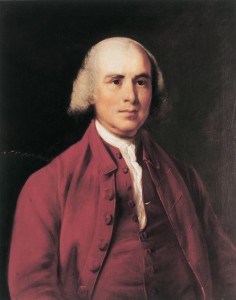 James Madison had prepared himself to be a builder of nations. He wanted to go to The College of William and Mary, like his close friend and mentor. However he found that the weather and temperatures there were not favorable to his health and stamina. So he looked northward and enrolled at The College of New Jersey, later known as Princeton College, which had a good reputation. Princeton had been founded originally to train Presbyterian Ministers.
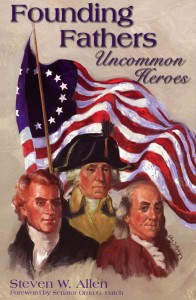 George Washington recounted that he had experienced at least 57 times during the Revolutionary War when he knew he had been protected by “the hand of Providence.” Perhaps there were some that he didn’t even know about. Like this one:
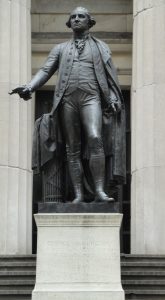 By now you know I enjoyed reading Timothy Ballard’s “The Washington Hypothesis.” It gave me some new insights. One particular part of the hypothesis is the reference to the Bible. When George Washington was given the Oath of Office as the new First President of the United States of America, he asked that a Bible be produced so that he could receive the Oath as a Covenant.