
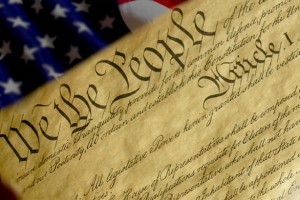
 After the Constitution was ratified by the U. S. Constitutional Convention, it went to the States for their own State Conventions. Would the States accept it and approve of it? No one knew for sure.
Alexander Hamilton, John Jay and James Madison (the Father of the Constitution) wrote a manual to explain the arguments for and against this document. They wrote it to allay some of the State’s fears. That later became the book “The Federalist Papers”. You’ve read it, of course.
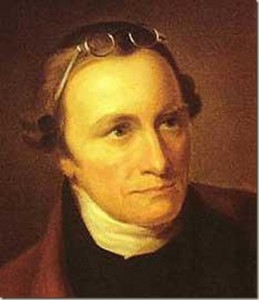
In Virginia Patrick Henry, the most influential patriot, opposed the Constitution, and said so in the convention. The Virginia Convention lasted 23 days. Patrick Henry spoke on 18 of those days, explaining his reasons for objecting to approval. One of those speeches lasted 7 hours!
 Not only did James Madison convince George Washington to attend the Constitutional Convention in Philadelphia, he promoted other members and their ideas along the way.
 The President of the Constitutional Convention, George Washington, was determined to prevent leaks from the meetings in Philadelphia. One day one of the delegates absent-mindedly left his notes behind on a table in the meeting room.
 Thomas Jefferson, George Washington and Benjamin Franklin had several things in common. Not the least of which was how they faced an argument or a political debate.
 Some of us feel that way from time to time. All we do is complain. But some of us have learned that complaining doesn’t do any good. You actually have to do something about it.
 I guess I knew it, but it was decidedly reinforced in the presentation about Abraham Lincoln which I attended at our Education Conference today. What was it? It was that not only was our Constitution hanging in the balance in Lincoln’s administration, but the Declaration of Independence was as well. It was totally repudiated and disavowed by the Southern States in the Civil War.
 Some things have slipped through history with a little fiction attached or some important details omitted. One, of course, is Paul Revere’s ride. Despite that beautiful Longfellow poem, Paul Revere was captured by the British before he could reach Concord and sound the alarm. But it’s a wonderful way to teach history.