
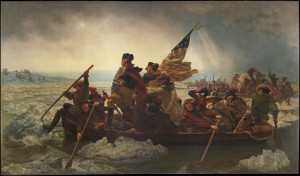
 In the Revolutionary War the battles generally stopped in the winter months. That was mostly because of the cold and wet weather. George Washington didn’t consider that in his quest to cross the Delaware River and attack the British forces with the Hessian soldiers who were camped at Trenton, New Jersey. The main British army had stopped for rest, dining and dancing somewhat earlier.
You remember the victory of Trenton and Princeton. They were won when armies were usually resting and waiting for fighting weather.
Summers weren’t too good for armies, or anyone else in the heat of the day, months, and relentless sun. Summer goes on and on it seems in Arizona. The weatherman announced that it will beat 100 degrees this week in Phoenix. Air conditioning has saved us. But here’s an interesting quote about the dog days of summer:
“From late July into early September (in Arizona it’s from May to October), everyone cranks up the air-conditioning in anticipation of the sweltering dog days of summer. It certainly is an apropos name—because, like overheated dogs, we just want to lie around, drink a lot of cold beverages, and pant. But the dog days of summer aren’t named after dogs. They are named after Sirius, the Dog Star, which prominently rises and sets with the sun during this time of year. The ancients thought the heat of Sirius combined with the heat of the sun created this doggone hot time of the year.”
I’ll bet the Founding Fathers are glad they didn’t have to face that problem, too.
-

By: Steven W. Allen, J.D.
Steven W. Allen, J.D. is an author, speaker, and retired attorney. His book “Founding Fathers – Uncommon Heroes” is popular with all ages and is used in many schools. See his other books at www.StevenAllenBooks.com
-


-
The Federalist Papers
Constitutional Amendments
Founding Fathers and American Heroes
Founding Fathers and War
What About Benedict Arnold?
Books and Founding Fathers