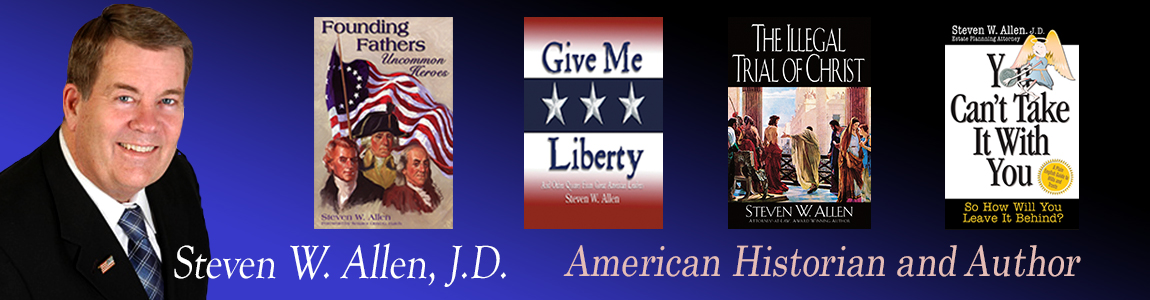
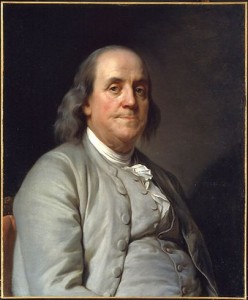
 “Up, sluggard, and waste not life; in the grave will be sleeping enough” Benjamin Franklin. He also wrote: “Early to bed, early to rise, makes a man healthy, wealthy and wise.”
Studies today indicate we may be getting too little sleep rather than too much. A human may need as much as 10 hours of sleep a night. Today fewer are getting even the recommended 8 hours. Busy schedules don’t allow it.
Researchers tell us that sleep deprivation (getting less than at least 6 hours of sleep a night) can increase a person’s likelihood for infection, diabetes, heart disorders, weight trouble and even depression.
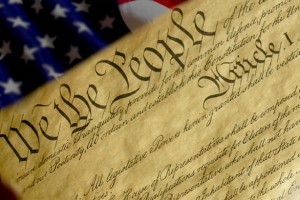 After the Revolution America started off strong. With a new Constitution and President George Washington, this fledgling government was to become a world leader. Can it continue? Or as Benjamin Franklin advised: “We have a Republic—if you can keep it.”
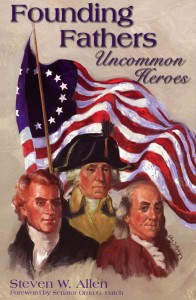 Sometimes the ones in the right must stand up to the Bullies in the wrong!
 In Benjamin Franklin’s “Project for Moral Perfection”, character trait number 11 was “Tranquility.” He defined it as “Be not disturbed at trifles, or at accidents common or unavoidable.”
 One of the virtues our Founding Fathers are known for, is Kindness. Thomas Jefferson was known to receive visitors to the President’s Mansion without prior announcement or request. He was always polite and gracious to his visitors.
 Benjamin Franklin told some of his closest associates that his favorite Book in the Bible, was the Book of Proverbs. That book is deemed by scholars to have been written by King Solomon. And Ben loved Solomon. You can tell by reading that Proverbs was even the source for some of Franklin’s adages and quotes in his “Poor Richard’s Almanac.”
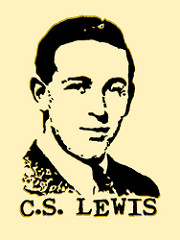 C. S. Lewis, a Christian Writer (The Chronicles of Narnia) of his day (1898-1963) had an interesting way of explaining things. Another writer said of him: “The mere Christianity of C. S. Lewis is not a philosophy or even a theology that may be considered, argued, and put away on a shelf (kind of like our debate about being a Christian nation).
 In another one of his books, “The Path to Prosperity” he gives this wise counsel: “Money does not constitute true wealth, nor position, nor power, and to rely on it alone is to stand upon a slippery place.