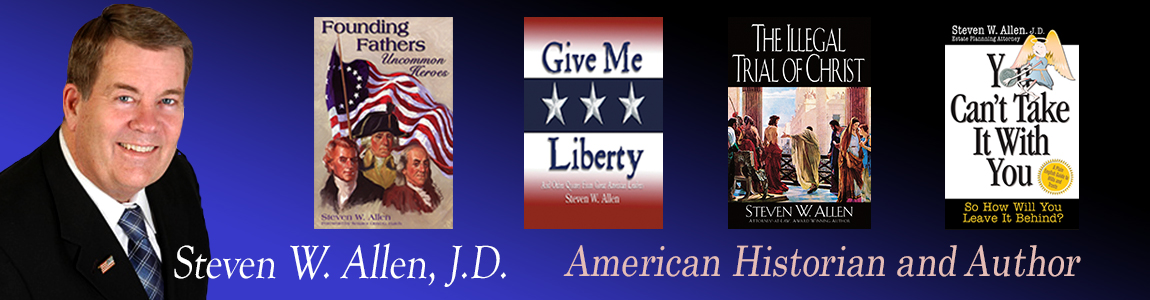
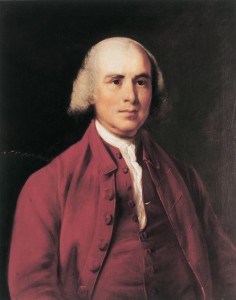
 James Madison had prepared himself to be a builder of nations. He wanted to go to The College of William and Mary, like his close friend and mentor. However he found that the weather and temperatures there were not favorable to his health and stamina. So he looked northward and enrolled at The College of New Jersey, later known as Princeton College, which had a good reputation. Princeton had been founded originally to train Presbyterian Ministers.
James graduated after receiving a solid education in only 2 ½ years. He went on to study law, but never practiced that profession. After the Revolutionary War he was extremely concerned that the Articles of Confederation just weren’t working. They needed to be amended.
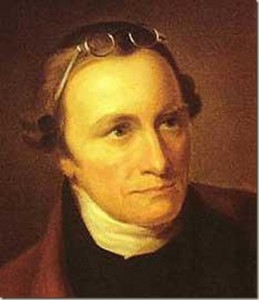 Those Founding Fathers who were against the U.S. Constitution included Thomas Jefferson, and Patrick Henry. Both of them thought that the Constitution did not protect the average citizen enough.
 In all the political turmoil of late, the conservative editorial writer, George Will, has just declared that he will withdraw from the Republican Party. He says they have left him.
 Abraham Lincoln, of course, was a lawyer and a politician. I think he lived by the above instructions, if unknowingly. He was also a great storyteller.
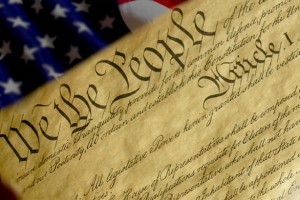 Yesterday I wrote about the amendment amending an amendment to the Constitution. I hope you read about it. Today more about Amendments.
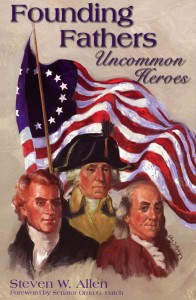 James Callender was the publisher of the Richmond Examiner and a friend who helped Jefferson get elected to the Presidency. But Callender wanted a job in Jefferson’s administration. Tom, however, knew his background, that he’d been run out of Great Britain for sedition and libel, and had been charged in America under the notorious Alien and Sedition Act, and that he was not a particularly honest person.
 I’ll have to report on the Jefferson story later. But his caught my eye.
 When George Washington left office after serving two terms as President of the United States, he gave a Farewell Address. History says he didn’t actually deliver the speech, but had it printed and disseminated to Congress.
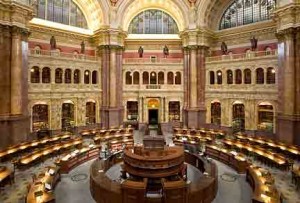 As I told you yesterday, I have learned some interesting facts from reading a fiction Bestseller. But I didn’t mention the name of the book or the author. So if you are interested, the name of the book is “the Fifth Assassin” by Brad Meltzer. The main character is Beecher White who is an archivists and the National Archives in Washington, D.C.
 As you know, Benjamin Franklin was a printer since his early days when he was apprenticed to his brother, James. He eventually moved on from Boston to Philadelphia, where he became a very successful printer with his own company.