 You may have missed it but the Revolutionary War ended in 1781 at Yorktown, VA. The particulars of that battle were amazing. So was the outcome. British General Cornwallis surrendered his army after the valiant efforts of the Americans and the French.
After the defeat at Yorktown, a friend of Benjamin Franklin approached him and said: “It looks as if the battle for independence is finally over.”
Franklin replied: “Sir, you are mistaken. The Revolutionary War may be over, but the battle for independence has just begun.”
 Betsy Ross was a recent widow, and she was a poor, struggling seamstress when the story goes, she was approach by a team, including General George Washington to create a new flag for the hope of a new nation. It was apparently a secret meeting. General Washington asked her for help in the preparation of a brand new flag, and a new concept for a struggling nation.
 When George Washington left office after serving two terms as President of the United States, he gave a Farewell Address. History says he didn’t actually deliver the speech, but had it printed and disseminated to Congress.
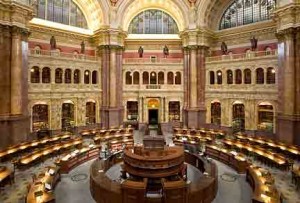 As I told you yesterday, I have learned some interesting facts from reading a fiction Bestseller. But I didn’t mention the name of the book or the author. So if you are interested, the name of the book is “the Fifth Assassin” by Brad Meltzer. The main character is Beecher White who is an archivists and the National Archives in Washington, D.C.
 As you know, Benjamin Franklin was a printer since his early days when he was apprenticed to his brother, James. He eventually moved on from Boston to Philadelphia, where he became a very successful printer with his own company.
 Washington was well known for sticking to a task that he had undertaken. He couldn’t be shaken from doing his duty, or fulfilling his promise.
 “Tact is the ability to see others as they see themselves.”
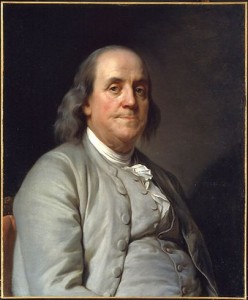 Benjamin Franklin returned from a long, long business trip to London in 1775. He was happy to be home. But not quite as happy as those leaders of the Colonies.