Benjamin Franklin, Government and Daylight Savings Time

Ben FranklinWise old Benjamin Franklin made lots of discoveries. But I have to say that one of them makes no sense at all today. In Ben’s day during the winters the cost of candles was one of the major expenses. So Ben came up with the idea of “Daylight Savings Time.” They would use the longer days to save themselves the need to keep the candle burning. It caught on.

But today, does it still make any sense, what with light bulbs and electricity and all our conveniences? Why do we need the trouble of changing the time on our electric clocks? Spring forward, fall back. But why now? It no longer makes any sense. read more

Thomas Jefferson and Books

Library of Congress Reading Room

Thomas Jefferson loved books. To his friend, John Adams, he declared “I cannot live without books!” He was a voracious reader. When you visit his home at Monticello, you will not only see his library but you will also notice that he had several places set aside in multiple rooms in his home, where he could sit and read when time permitted.

The British burned down the Library of Congress in the War of 1812, along with several other buildings, like the President’s Mansion. Jefferson offered to sell his library to Congress to replace what they had lost. In 1815 Congress approved the purchase, and it took ten wagonloads to bring the books to Washington, DC! read more

Benjamin Franklin for 2nd Graders

Founding Fathers coverI have been invited by my grandson, Garrett’s second grade teacher to speak to his class about the Founding Fathers. Garrett told his teacher that his granddad had written a book. She wanted to see it, so he gave her one.

She has really enjoyed reading it, and so asked Garrett’s mother if she would talk to me about coming to speak to their class. She did and I accepted. Then it turns out that this teacher has invited not only her class but all the 2nd grade classes in the school to join in my presentation. That means there will be more than 100 second graders in the audience. read more

Thomas Jefferson and Guns

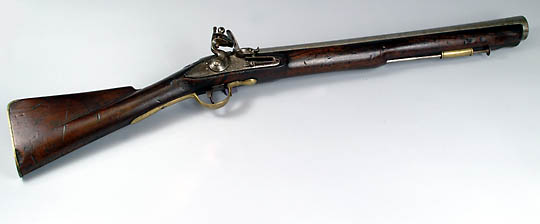
English_flintlock_blunderbussI know, we’ve seen a lot of carnage and incidents about firearms lately. Now there’s a hue and cry for more gun laws. All in the name of protecting the citizens, of course. Even though the statistics clearly indicate that more laws don’t reduce crime with guns or violence (see Chicago and Baltimore for example).

I know many think that he’s just an old fuddy-duddy, but here’s what Thomas Jefferson said about guns:

“A militia, when properly formed, are in fact the people themselves. They include all men capable of bearing arms. To preserve liberty it is essential that the whole body of people always possess arms and be taught alike how to use them.” read more

U. S. History Patriotic Artwork

When I retired and closed my law office a few years ago, I had to bring my office artwork home. That included about 8 or 10 beautiful patriotic oil paintings, reproductions, art posters, and even plaster busts of George Washington, Benjamin Franklin, and Thomas Jefferson. And a full sized American flag on a pole.

Our home already had its own artwork on nearly every available wall, and this artwork didn’t really lend itself all that well to a family residence. So all the artwork was just stacked up near a wall in the back room. I couldn’t stand to part with such lovely pieces which I had become so accustomed to at work. So what to do? It can’t continue to still just languish there where it is! read more

George Washington Learns Rules of Civility

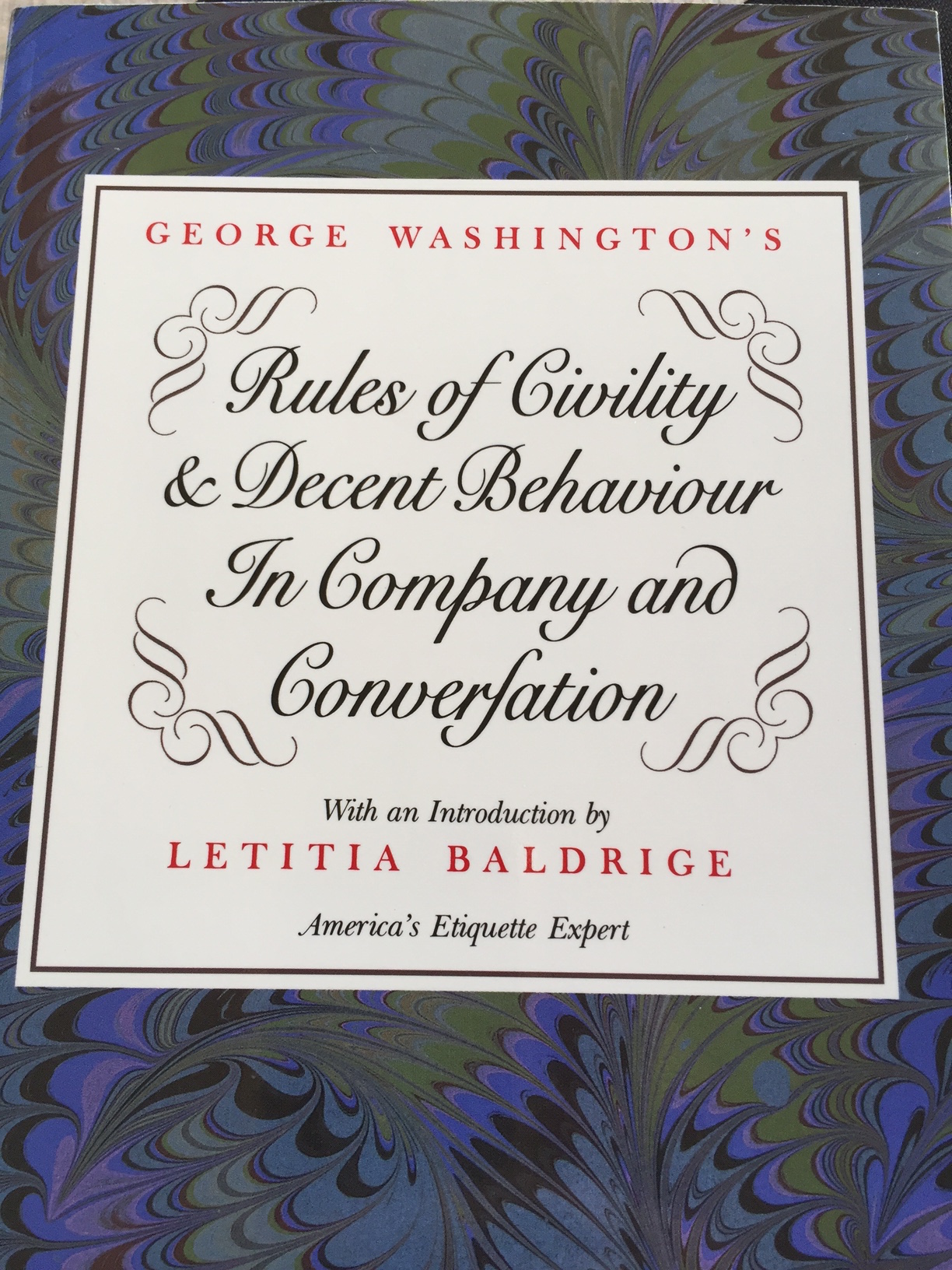
GW RulesWhen George Washington was a young lad, his father, Augustine, wanted to make sure George learned good penmanship. He hired a tutor to help with this challenge. The tutor taught George writing by having George mark down some sentences in his best script while the tutor recited several directions he referred to as “The 110 Rules of Civility and Conversation in Company and Conversation.”

So what do you know, but George also learned how to act properly among his friends and neighbors at an early age. All while he learned good penmanship skills. He not only had very good handwriting all of his life, but he had people skills which endeared him to his soldiers, neighbors, and fellow countrymen. read more

Thomas Jefferson and the Written Word

whom?I have a Juris Doctor degree from Arizona State University College of Law. I am an author and have written five books. I’m currently working on a sixth. I was brought up in a home with a mother who was an English Major at the University. So I have a pretty good grasp of the English language!

Most are familiar with Thomas Jefferson’s writing at least in the Declaration of Independence. It is a masterful piece of written language! Tom was also a lawyer, a scientist, a linguist and a writer. Nowhere in the Declaration is the word “whom” used. But he could have used the word. It was in use in his time. But then he also powdered his hair on occasion, and wore a tri-cornered hat! read more

John Adams and Thomas Jefferson Teach Each Other

History is full of fascinating facts! Here’s just one example:

Thomas Jefferson, from Virginia, and John Adams from Massachusetts, became fast friends during the Continental Congress in Philadelphia. It was here that Tom wrote the Declaration of Independence in only 17 days without book or pamphlet, while residing at the Graff House.

When Tom’s draft was presented to the Congress, Tom did not speak on its behalf, on behalf of his immortal document. Tom was not a very good public speaker. His voice was high and shrill and barely audible to a group. read more

James Madison and The U. S. Constitution, Then and Now

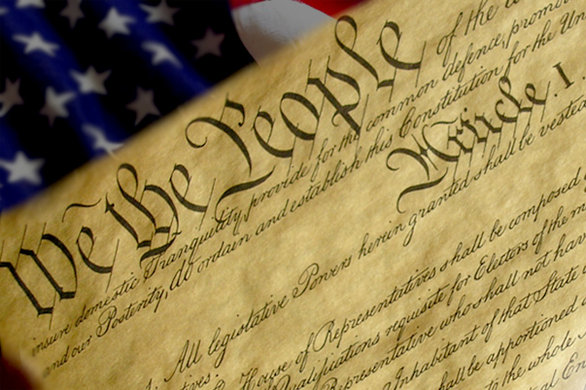
constitutionAfter 16 weeks of unrelenting work, the U. S. Constitution was signed on September 17, 1787. It was truly a miracle! Those who attended the Convention worked hard, studied hard, listened hard to others, and even prayed hard. They knew what they were doing was important for the centuries.

James Madison, known as the Father of the Constitution, had remarkable success in bringing together the most influential and wise men in the colonies, including George Washington, who didn’t want to be there at first. read more

Thomas Jefferson’s Thoughts and The Declaration of Independence

Jefferson said: “The glow of one warm thought is to me worth more than money.”

monticelloI guess that’s literally true. Tom had many great and warm thoughts, but he spent his money liberally. (Is that why the liberals like to spend money so fast—yours and mine?)

When he died, his family had to sell whatever they could of his to pay his debts. But Monticello has been restored to its glorious condition today. If you haven’t visited there yet, make it a point to do so. You can learn so much from just a visit to his home, see how he lived, and what he loved to design and to collect. And how dear he held his family in his thoughts. read more