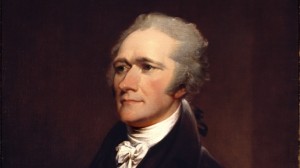
 Boy, that was an eye-opening account of “Legends and Lies” by Bill O’Reilly tonight. It was on TV. Pictured was the death of President George Washington, the election between John Adams and Thomas Jefferson, which was decided in the House, and the duel between Alexander Hamilton and Aaron Burr.
As you will recall from your High School history class, Aaron Burr killed Alexander Hamilton in the duel. Scholars still debate whether or not Hamilton had purposely aimed high miss Burr or if he just got off a bad shot. I am inclined to believe the first.
 Our American language has some strange words, or words with different meanings than you would expect. Jefferson was, of course, great with words. George Washington was trained in his youth to write well and use correct words. John Adams did so well with words that he told Abigail that he only accomplished good things with his exemplary use of language—words.
 Some of us feel that way from time to time. All we do is complain. But some of us have learned that complaining doesn’t do any good. You actually have to do something about it.
 George Washington had the looks and stature of a President. He was tall, nearly 6’4” and strong of build. He was a great horseman and a victorious soldier. He had a strong moral compass and great character. Plus, he had been front and center in all the major events in the creation of the new nation.
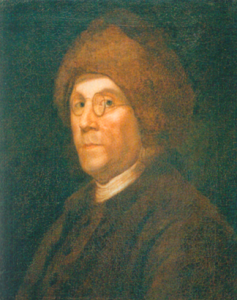 When Ben and John were sent by Congress to try to talk reason with the British generals at the beginning of the Revolutionary War, travel wasn’t like it is today. No interstate highways, no automobiles, no large hotels to spend the night in. John and Ben had to spend the night at an inn with only one room and with one bed available.
 One of my favorite historical novels was about John and Abigail Adams. The book was titled “A Love Story,” by Irving Stone. Most know of their marriage and how Abigail kept the home going while John was off being an attorney, a diplomat and a Founding Father.