
 I received a letter a few days ago asking me some questions about my book “The Illegal Trial of Christ.” I politely responded and answered the questions asked of me.
Then today I received a phone call from this same person, with a couple of more questions. We had a nice chat and it was apparent that this person had done a great deal of reading and research about the death of Christ and what led up to it.
This man said he was a neurologist and he is writing his own book about the medical reasons of Christ’s death. Basically the premise of his book is that Christ actually died from a loss of blood. The crown of thorns was really the cause of loss of more blood that had previously been attributed to it. That he was in reality the sacrificial lamb, and it was the time of year for that major sacrifice. He fulfilled his purpose in coming to Earth.
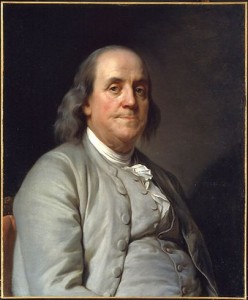 Most people who have a little interest in American history have read Benjamin Franklin’s words which seemed to bring about a final consensus and agreement on the basics of our Constitution. I believe I have even repeated them here on this blog at some time or another. (If you can’t remember them or want to have them again go to the book “FoundingFathers–Uncommon Heroes”. What Ben said is there on page 33. If you don’t have the book yet, for heaven sakes, get it right now. Click here.)
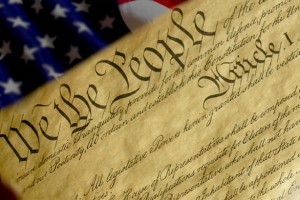 There is something I just can’t understand—at all! Yesterday in my blog I gave some little bit of background about our U.S. Constitution. I mentioned that our Constitution has been amended only 17 times since the original Bill of Rights was adopted. Seventeen times since December 15, 1791. That’s more than 225 years.
 There is another other principle I’d like to share with you. It’s called “The Jellybean Principle.” That’s also the name of a book written by Ron McIntyre. His thesis is that if you are looking at a jar of multi-colored jellybeans, you will most often see the one color you are looking for, the one you want to pick out and eat.
 George Washington could teach all our politicians a thing or two—of course they’d have to listen. George was taught penmanship by a mentor or tutor when he was still quite young. His teacher taught him how to write in beautiful script which was plain and easy to read. George had good penmanship throughout his life.
 George Washington was one to give words of counsel and wisdom to those he associated with (or with whom he associated, if you prefer). Pearls of wisdom just seemed to fall from his lips. Some were actually written down. Here’s one I like and understand: