 In his “Project for Moral Perfection” one of the character traits Benjamin Franklin wanted to become morally perfect in the application of was Sincerity. He described this trait as: “Use no harmful deceit; think innocently and justly, and if you speak, speak accordingly.”
Franklin also wrote a book and titled it “The Art of Virtue.” If you haven’t read it, or even heard of it, go and find it. It’s worth the trouble!
In that book Ben proposed that one of the principles for happiness is truth and honesty. How true that is. He added: “If the rascals knew the advantage of virtue, they would become honest men out of rascality.” Then, about himself, he added “That is my only cunning.”
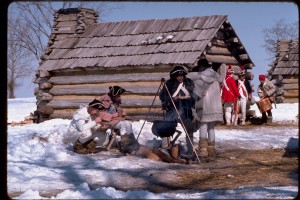 George Washington and his soldiers, such as they were, established camp at Valley Forge, Pennsylvania. It was a week prior to Christmas. They stayed there until June, 1778. During those six months as many as 2,000 men died. It was cold during the winter months, but the men didn’t die due to the weather.
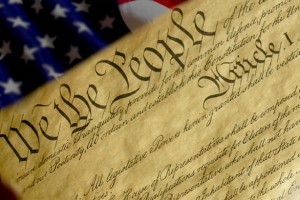 Of course Franklin knew these words were directly in the Declaration of Independence, which was upheld by the United States Constitution. He helped draft both of them. But the meaning of the direct words is vouchsafed by our Constitution.
 The first official flag of the United States of America had thirteen stars and thirteen stripes—all in recognition of the original thirteen colonies that became states. Some historians write about how George Washington visited with Betsy Ross in Philadelphia to design the original Stars and Stripes.
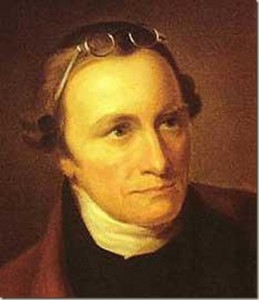 About all that anyone knows about Patrick Henry is that some time in history he gave a great speech which included the words: “Give me liberty, or give me death!” And that he did. But he did much more.
 I wonder if Thomas Jefferson would have been so dismissed by the opposite party when he spoke to the nation. When he spoke he advocated that any political problems of the past decade be buried in order for Americans to unite. Here is what he said in his inaugural speech: