 Those Founding Fathers who were against the U.S. Constitution included Thomas Jefferson, and Patrick Henry. Both of them thought that the Constitution did not protect the average citizen enough.
Jefferson was still in France, but sent his reservations by letter to his friend James Madison, the Father of the Constitution. He encouraged James to continued to fight for a Bill of Rights.
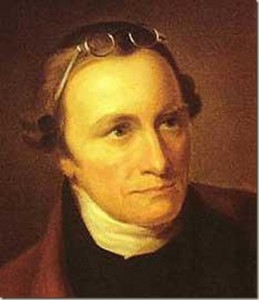
Patrick Henry opposed the Constitution in the Constitutional Assembly held in Virginia to vote on the document. He made several long speeches against its adoption, some lasting all day. He made at least one speech almost every one of the 17 days of the State Convention. He also wanted a more specific Bill of Rights.
On the last day when it appeared that the Constitution would finally be  approved by the convention in Virginia, Henry said he would approve it if Madison would recommend that Congress add several Amendments to answer his concerns. He promised to be a good citizen. Madison agreed.
True to his word, Madison submitted some 23 Amendments to Congress. Twelve were ratified by Congress, and 10 received final approval from the States.
Henry later declared: “The Constitution is not an instrument 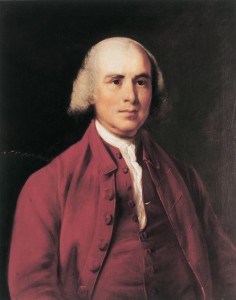 for the government to restrain the people, it is an instrument for the people to restrain the government—LEST IT COOME TO DOMINATE OUR LIVES AND INTEREST.” (Emphasis added).
And Jefferson observed: “[An] act of the Congress of the United States . . . that assumes powers . . . not delegated by the Constitution, is not law, but is altogether void and of not force.”
James Madison added: “Our Constitution was made only for a moral and religious people.”
If only our courts studied the Constitution and the words of Patrick Henry and Thomas Jefferson. Yes, especially the Supreme Court Justices!
-

By: Steven W. Allen, J.D.
Steven W. Allen, J.D. is an author, speaker, and retired attorney. His book “Founding Fathers – Uncommon Heroes” is popular with all ages and is used in many schools. See his other books at www.StevenAllenBooks.com
-


-
The Federalist Papers
Constitutional Amendments
Founding Fathers and American Heroes
Founding Fathers and War
What About Benedict Arnold?
Books and Founding Fathers